 Pallet Wrapper Machine Finder

Case Packers
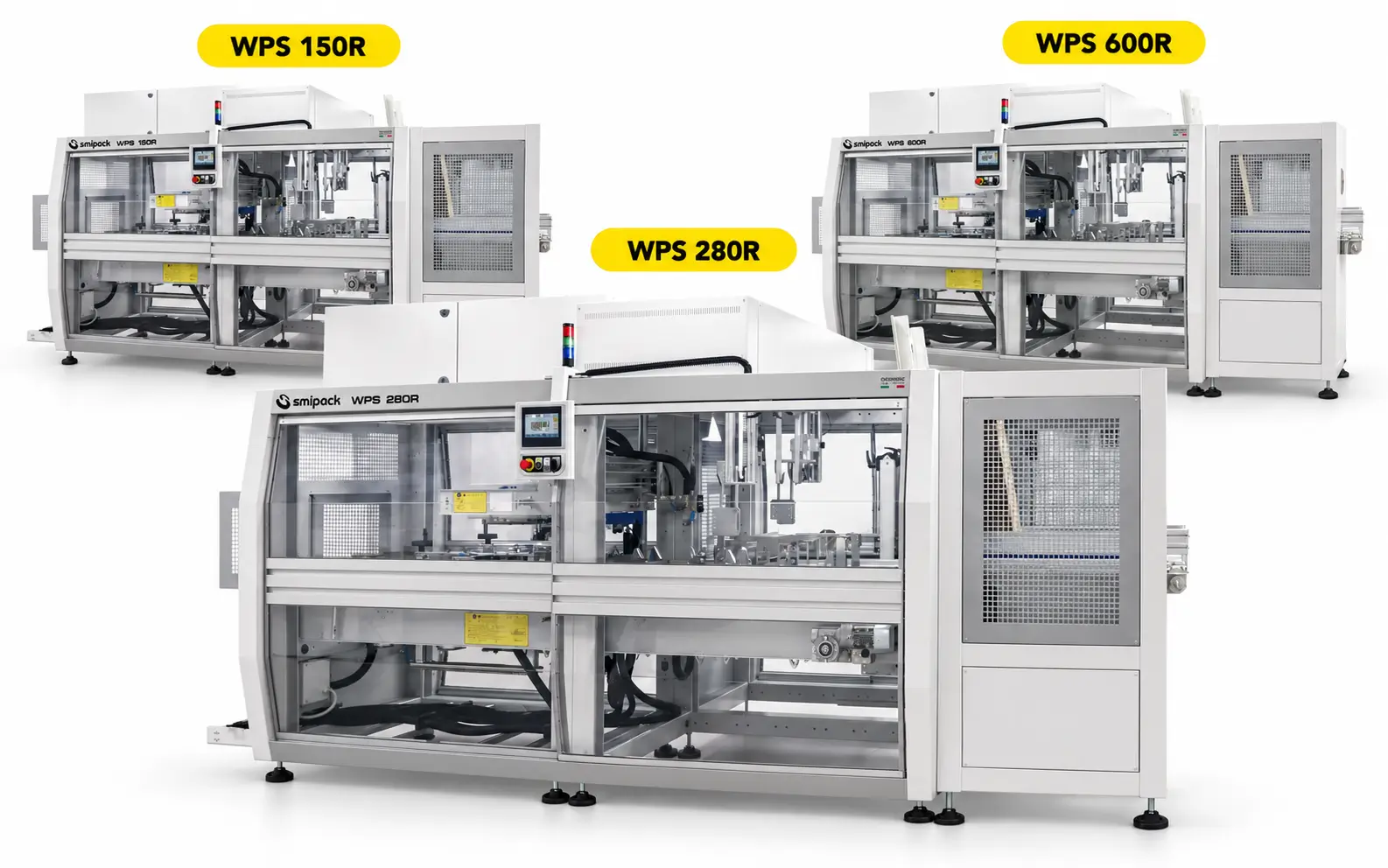
A wrap-around case packer forms a case directly around your product from a flat blank and seals it — automatically, in-line, at up to 25 packs a minute — cutting out the manual case erecting and packing a hand-packed line relies on. Our WPS range runs from a compact 20 packs/min model through to a longer, higher-throughput 600R, every one running micro corrugated, corrugated, or kraft board. Tell us your product, output and floor space and we’ll match you to the right model.
Talk to Our Case Packer Specialists
Tell us about your product, output, and floor space — we'll recommend the right case packer for your line.
 In stock
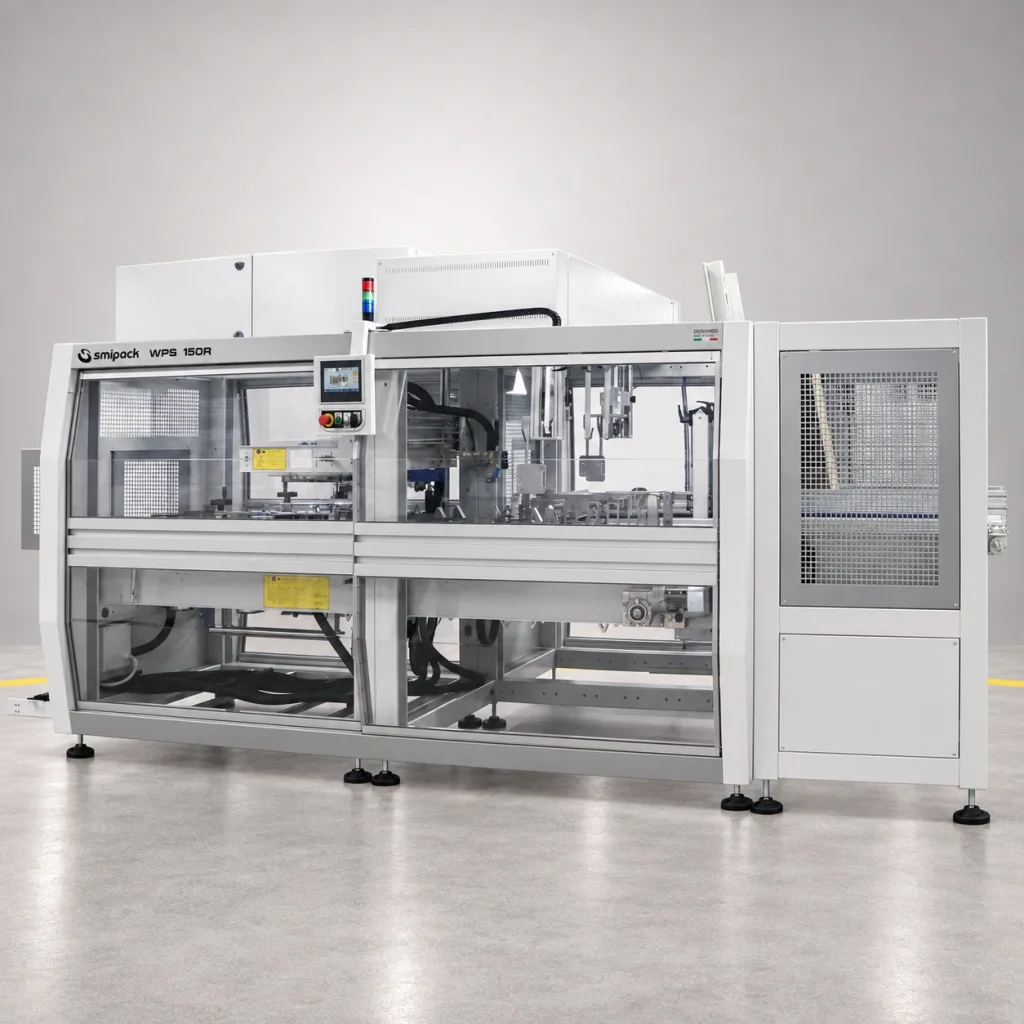
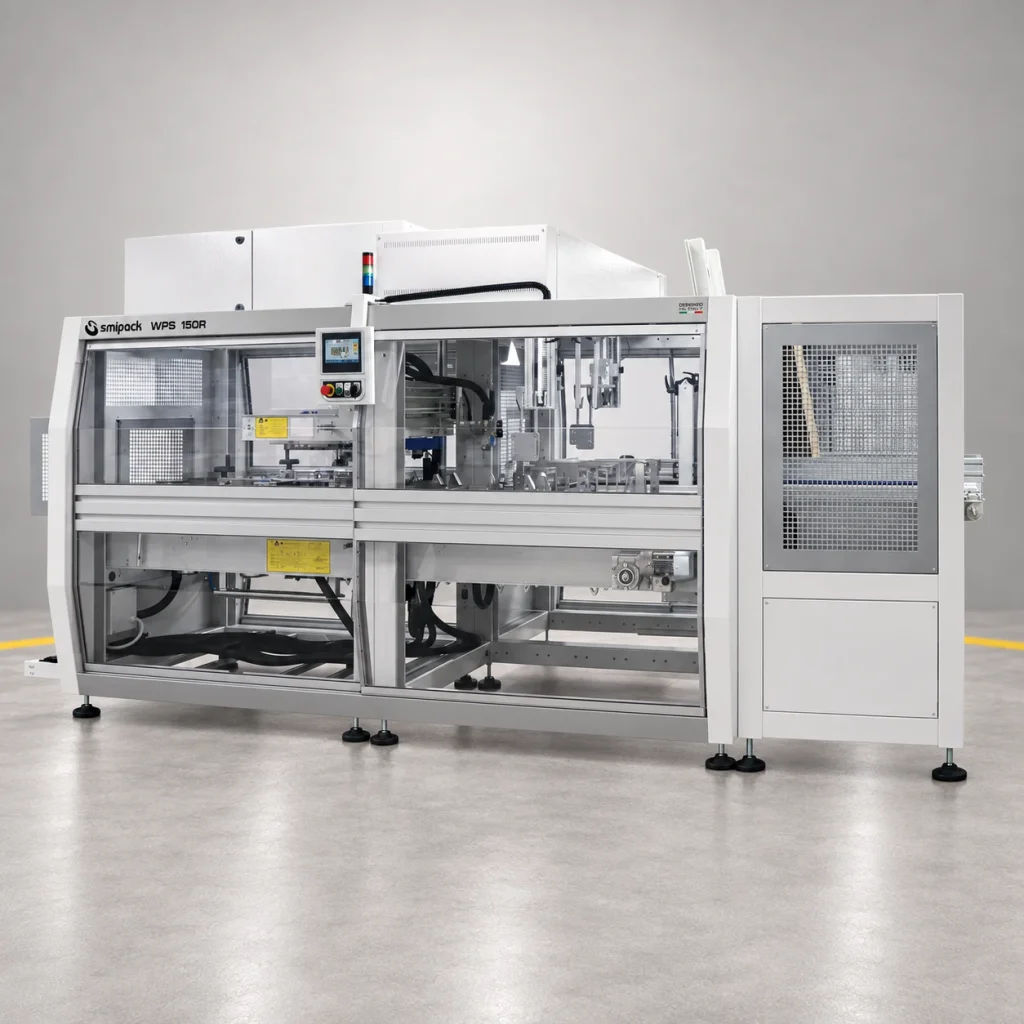
WPS 150R - Automatic Wrap-around Case Packer
 In stock
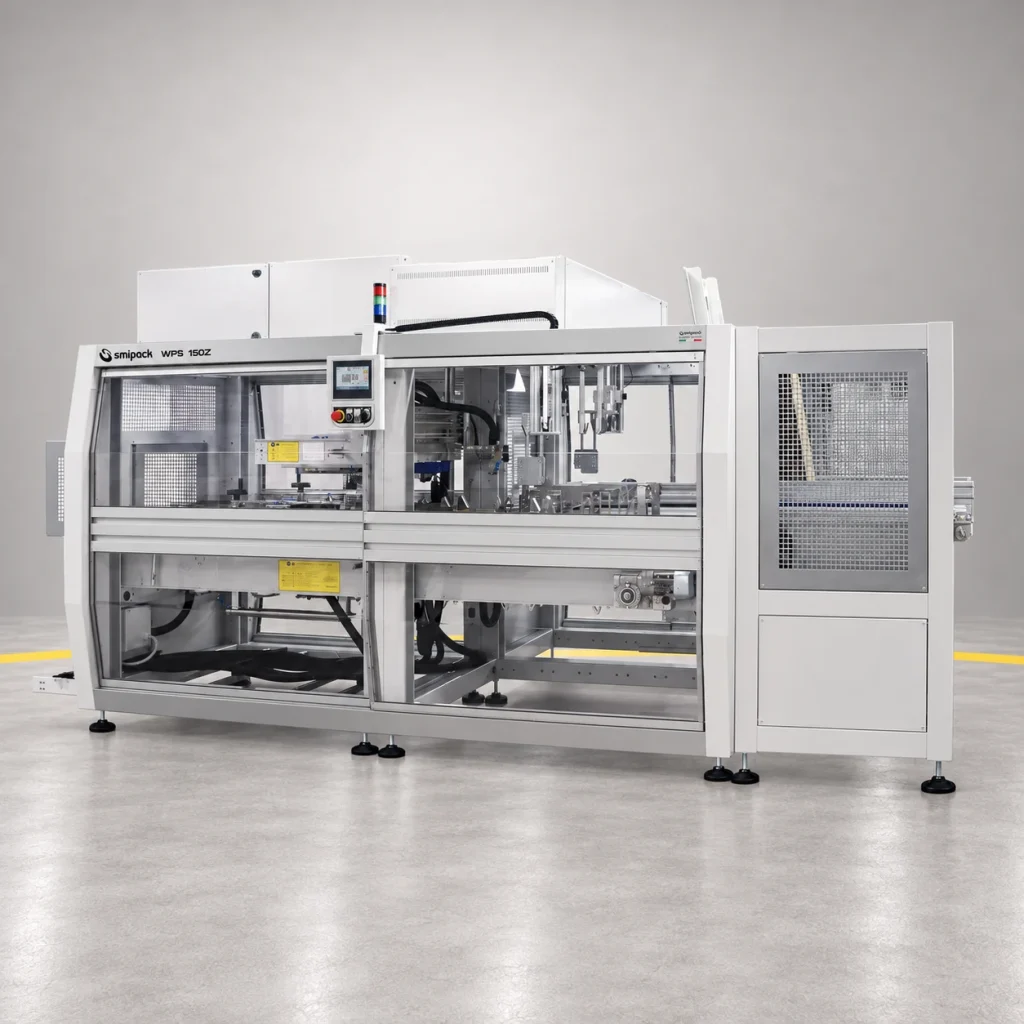
WPS 150Z - Automatic Wrap Around Case Packer With 90° Infeed
 In stock
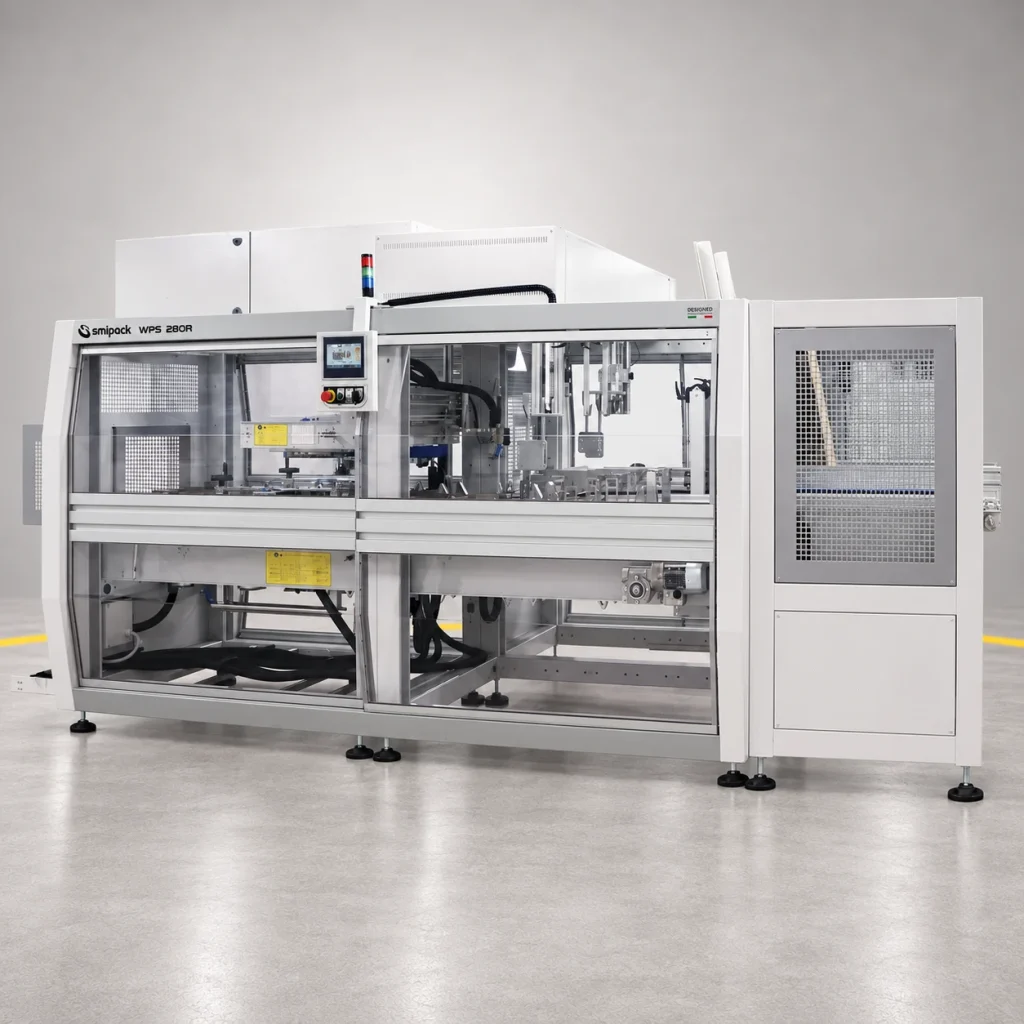
WPS 280R - Automatic Wrap-around Case Packer with In-line Feed
 In stock
WPS 600R - Automatic Wrap-around Case Packer with In-line Feed
About AWC Case Packers
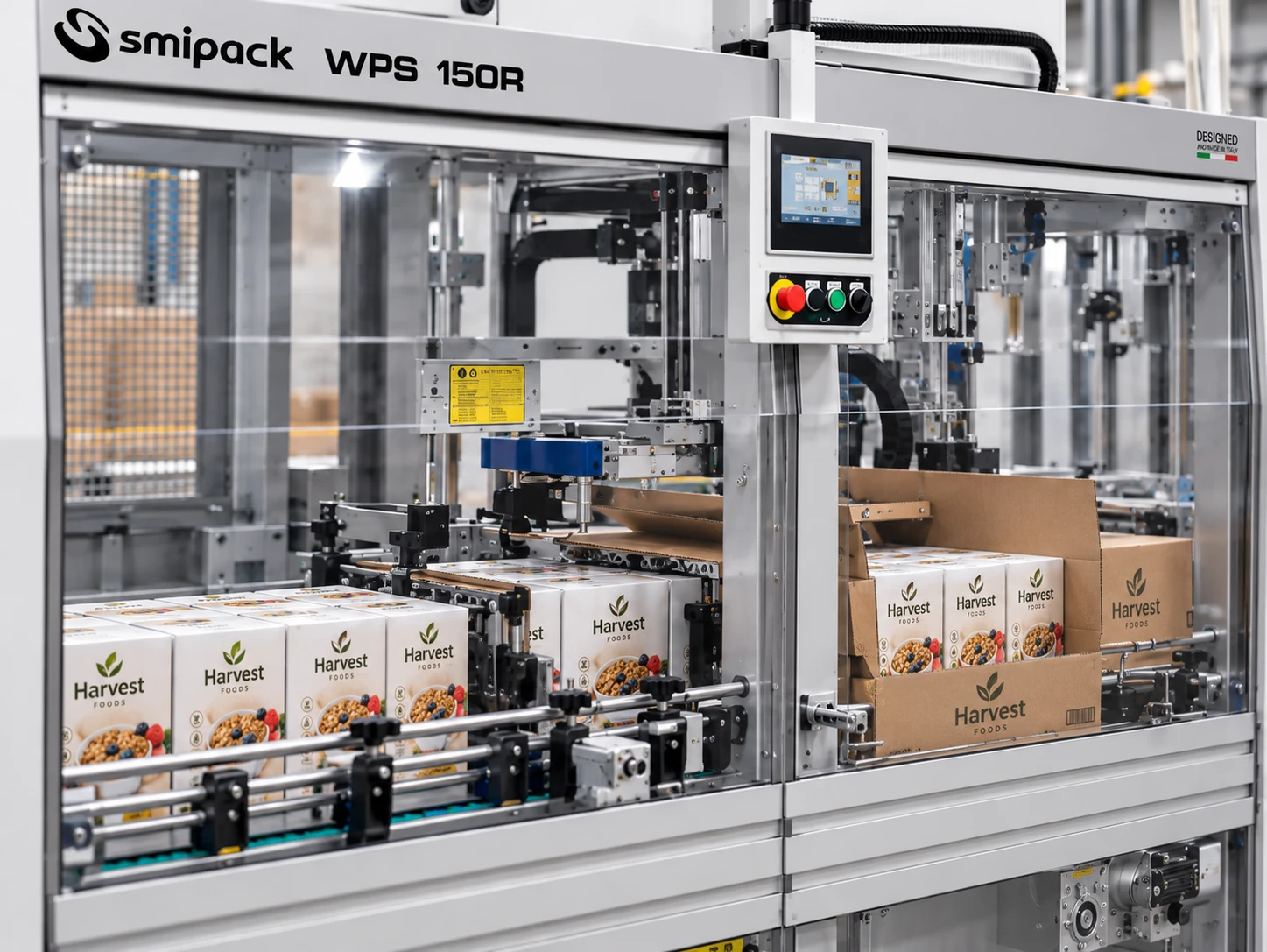
Wrap-around case packers feed directly from your production line — in-line or at a 90° angle depending on the model — forming and sealing a case around the product automatically, with no manual case erecting or packing step needed.
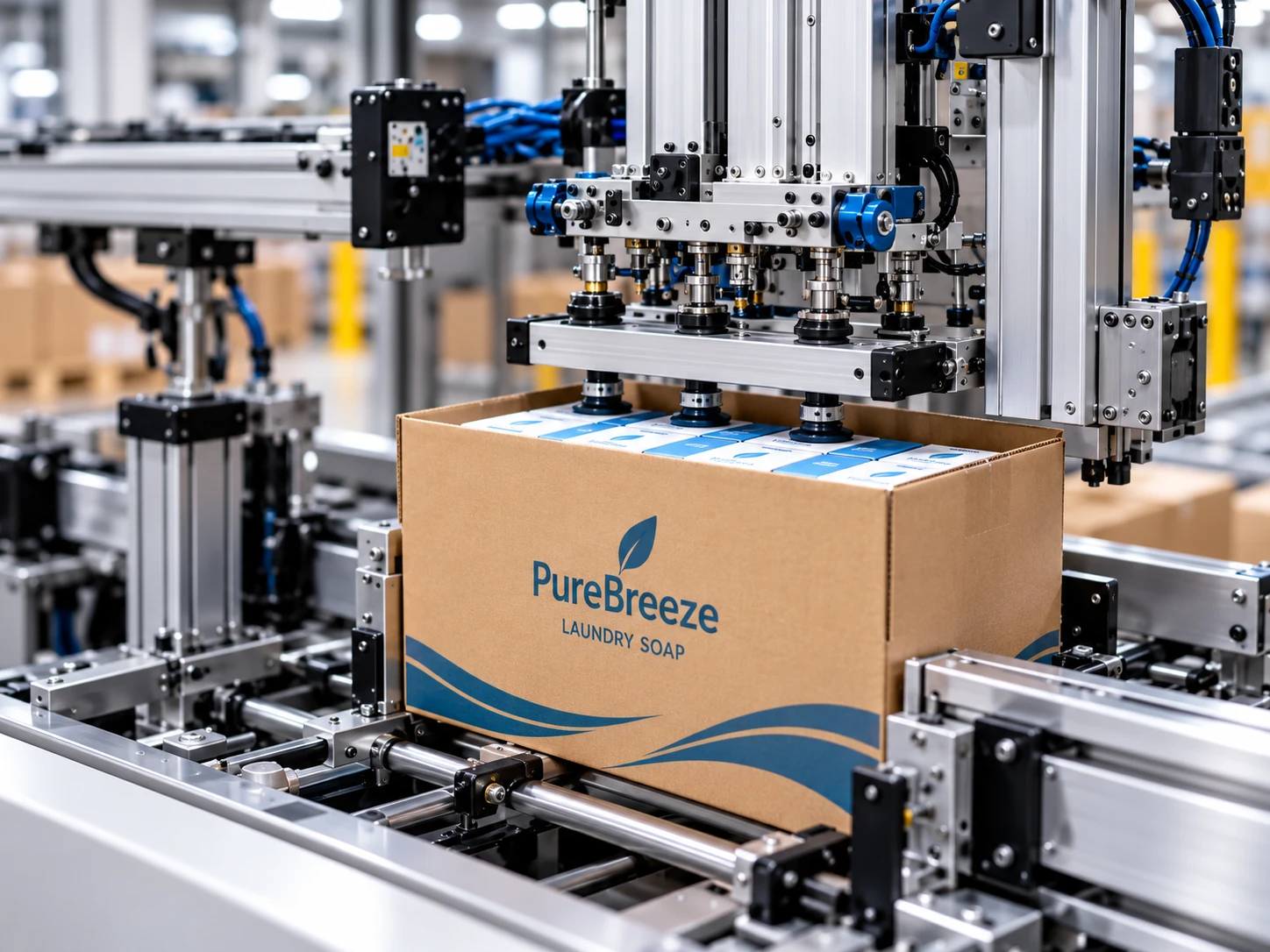
Automatic case packing keeps pace with upstream filling or bundling equipment, removing a manual bottleneck at the end of the line.
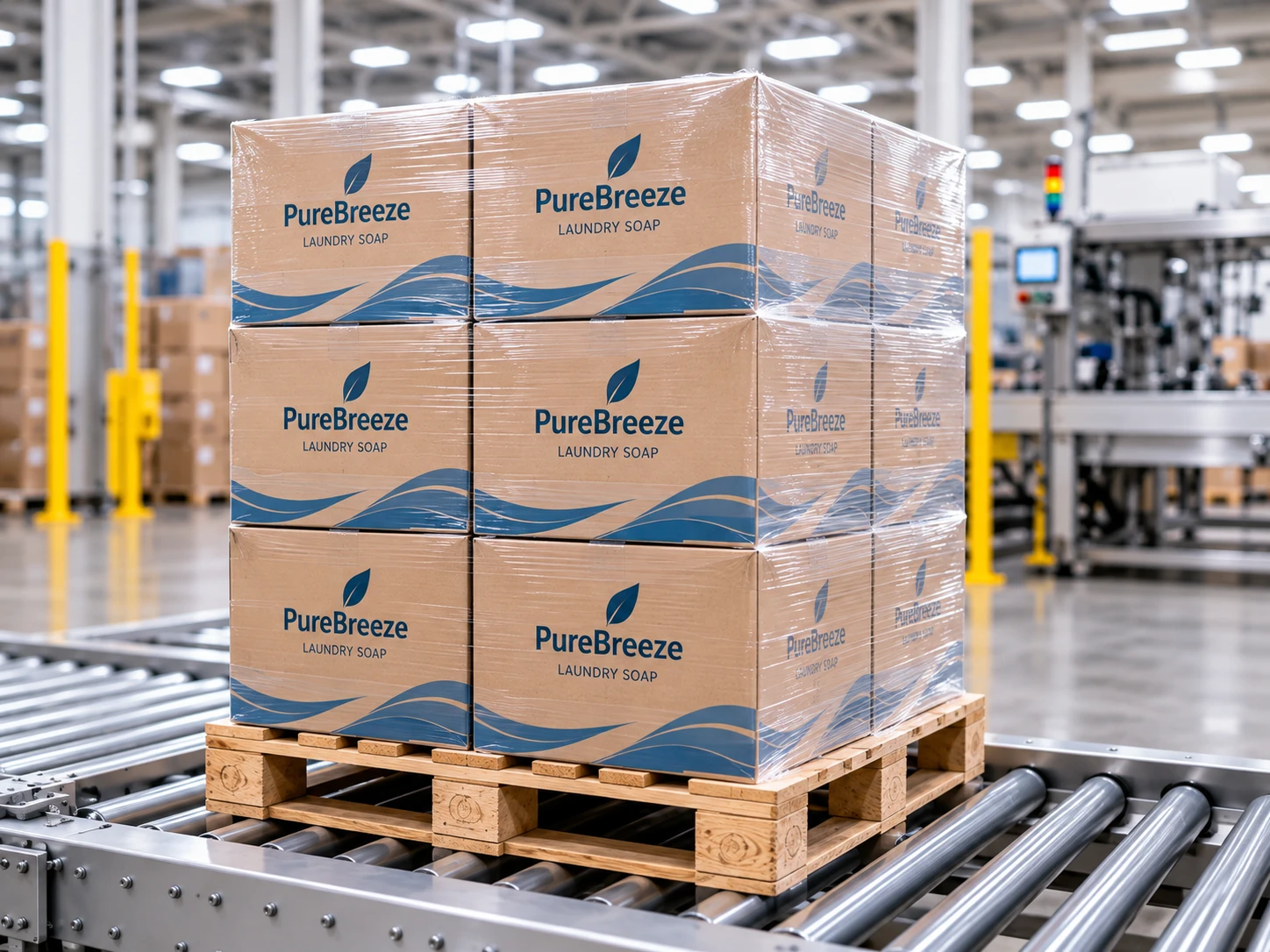
An automatic wrap-around case gets formed and sealed the same way every time, cutting down on the inconsistency that comes with manual case packing.
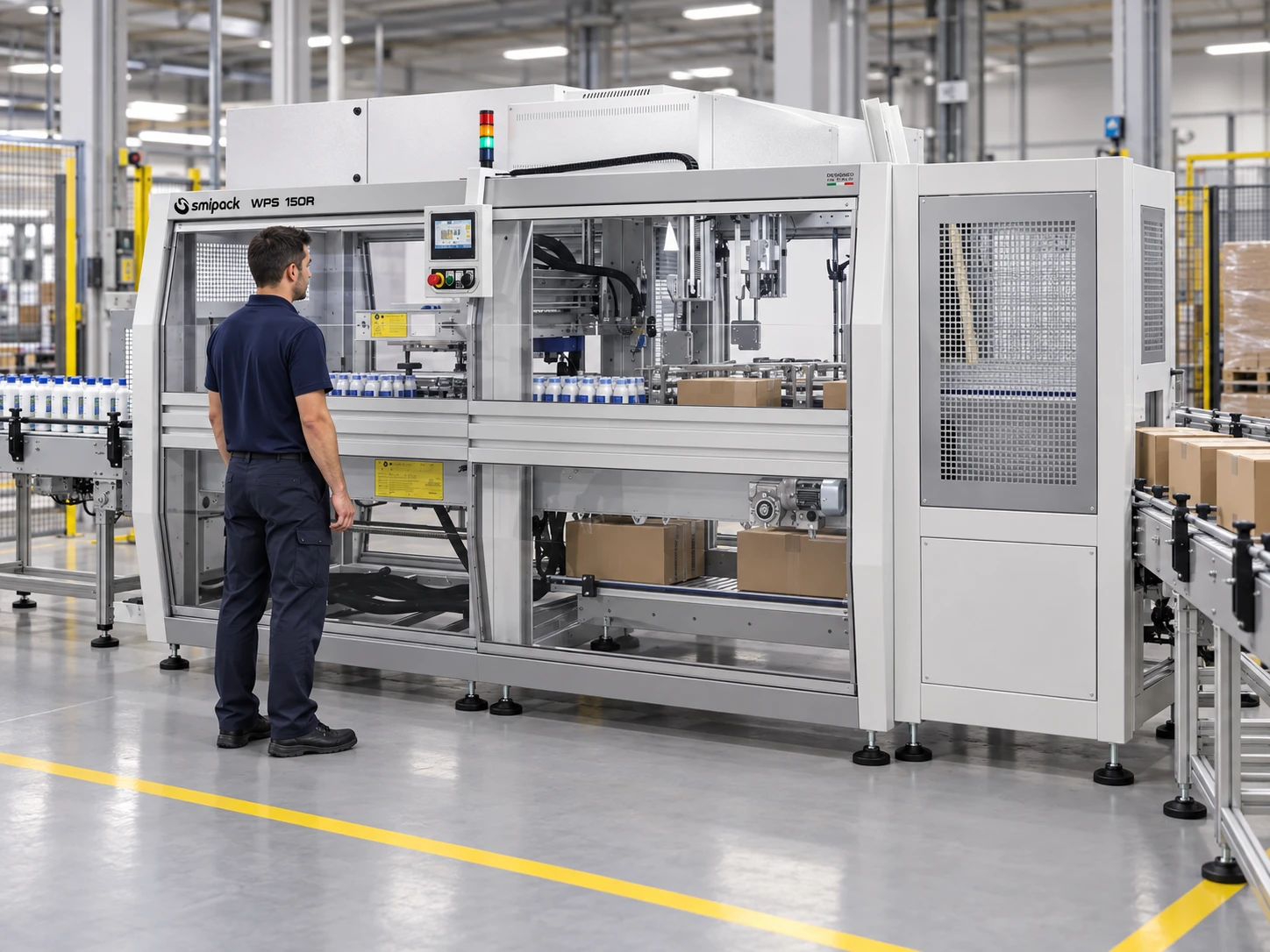
Automating case packing frees up staff who would otherwise be manually erecting, packing, and sealing cases by hand.
AWC’s case packer range covers automatic wrap-around case packers built to pack products into cases as part of your line — running micro corrugated, corrugated, or kraft board, handling open case blanks from 300 x 500mm up to 750 x 1300mm, and products from 75mm up to 350mm tall. Model choice comes down to your required output and floor space — the range runs from compact in-line and 90°-infeed systems through to an extended-footprint model built for higher-volume lines.
The 150R, 280R, and 600R all use straight in-line infeed. The 150Z instead turns the product 90° into the case — useful where your upstream conveyor runs across rather than into the packer, at the cost of a wider footprint.
150R and 280R run at 20 packs/min in the same compact footprint; 150Z and 600R step up to 25 packs/min — the 600R in a longer, higher-throughput chassis, the 150Z in the same compact footprint but turned 90°.
Every machine on this page is backed by our in-house technical team for installation, servicing, and spare parts — so you’re not left waiting on an overseas manufacturer if something needs attention.
Why Buy Your Case Packer from AWC
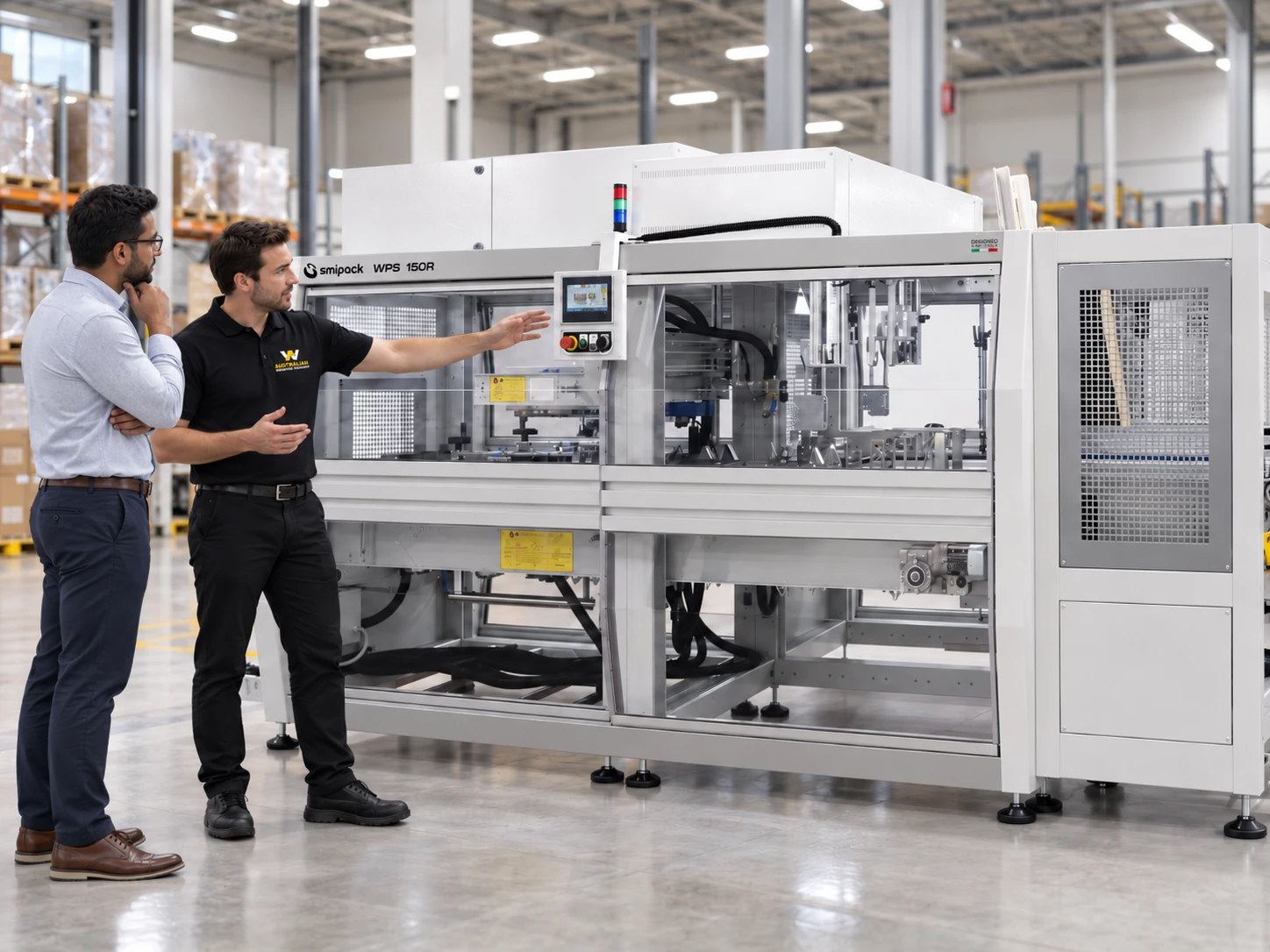 Live Demonstrations

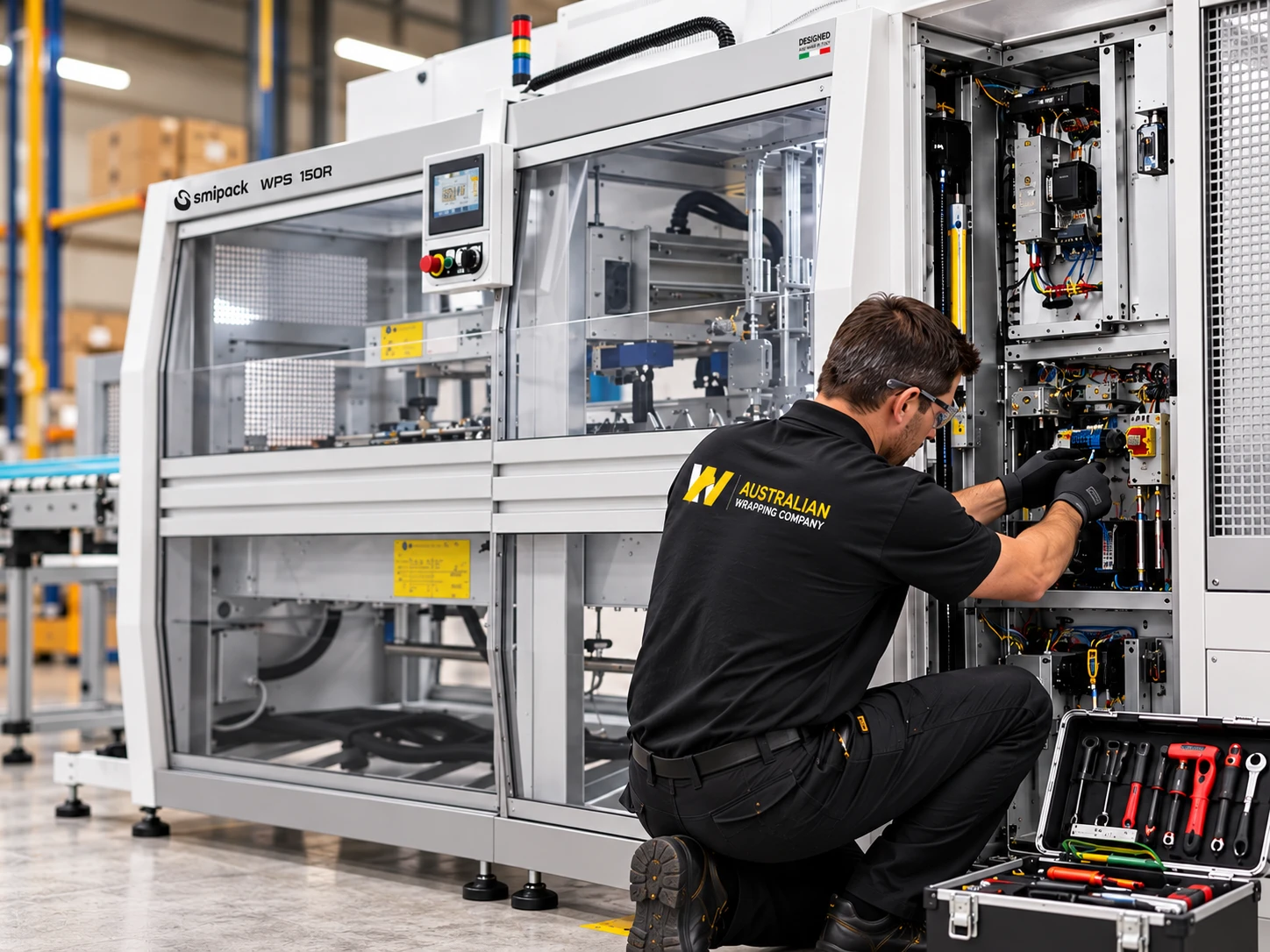 Australia-Wide Service
Case Packer FAQs
A wrap-around case packer forms a case directly around the product from a flat blank, then seals it — rather than dropping products into a pre-formed case. It’s a fast, continuous way to case-pack products in-line.
All four WPS models on this page run the same case and product range — open case blanks from 300 x 500mm up to 750 x 1300mm, and products from 75mm up to 350mm tall. Model choice comes down to your required output and infeed direction, not case size.
150R and 280R run at 20 packs/min with straight in-line infeed. 150Z also runs in the same compact footprint but turns the product 90° into the case, at 25 packs/min. 600R runs a longer, higher-throughput chassis, also at 25 packs/min with in-line infeed.
Yes — every machine on this page is available to rent short-term, so you can trial it on your floor before committing to a purchase.
Yes, we offer finance and leasing options on all case packing equipment. Speak to our team during your consult.
Yes — every AWC case packer includes installation and is backed by our in-house technical team for servicing, spare parts, and warranty support.
The Ultimate Buying Guide
Costs, ROI, comparisons, and common mistakes to avoid before you buy — one comprehensive guide.
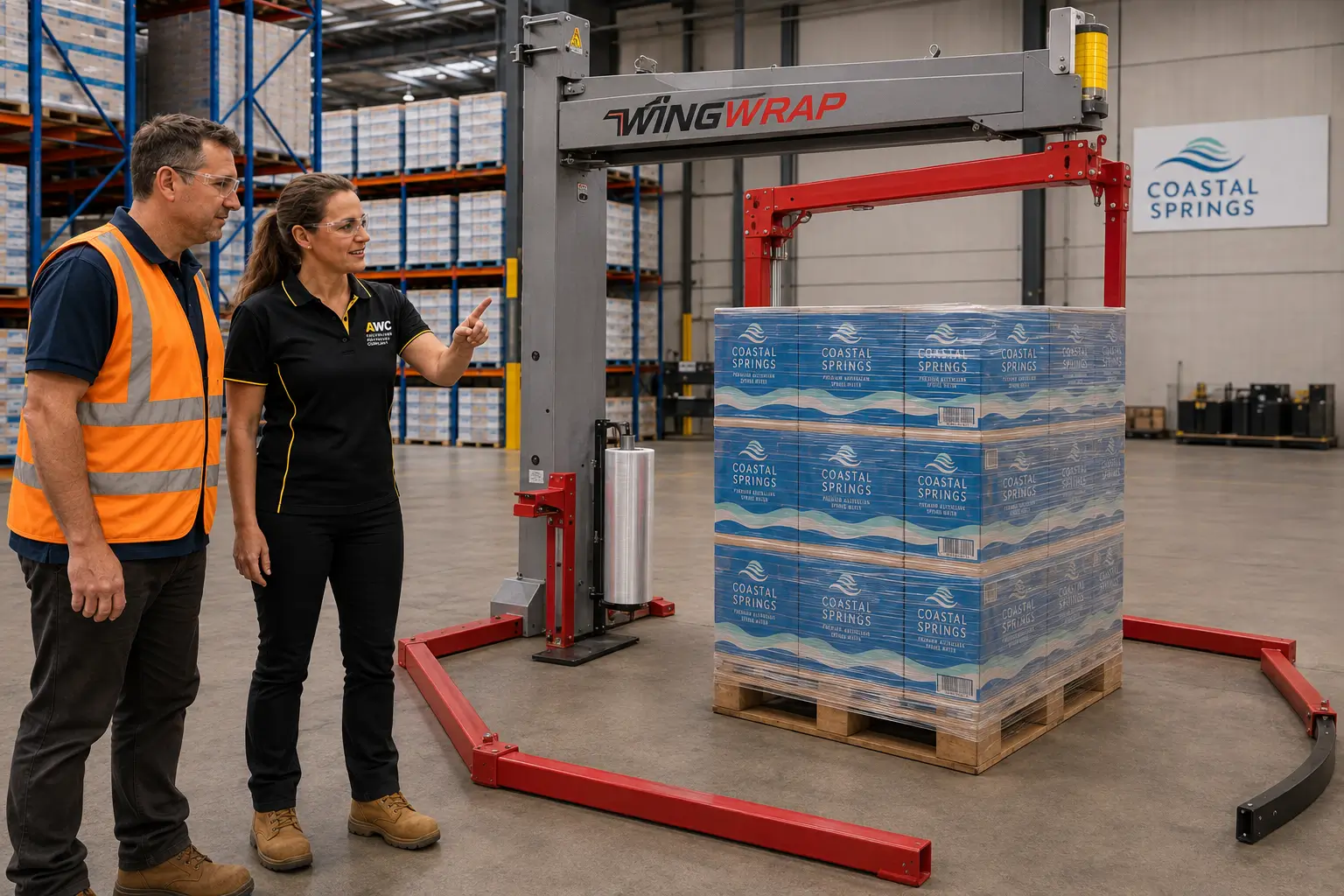

How Coastal Springs cut film waste 30% on their pallet line
A short summary of the challenge, the AWC solution, and the measurable result — enough to make the case study worth clicking into.
Read the Case Study →