 Pallet Wrapper Machine Finder

L-Bar Sealers
An L-bar sealer gives single items, multi-packs, and retail cartons a fast, professional shrink-wrapped finish at moderate-to-high volume, without the cost of a fully automatic line. AWC supports every machine with manufacturer warranty, local servicing, and finance or rental options.
Talk To Our Shrink Wrapper Specialists
Tell us about your product, output, and floor space — we'll recommend the right L-bar sealer for your line.
 In stock
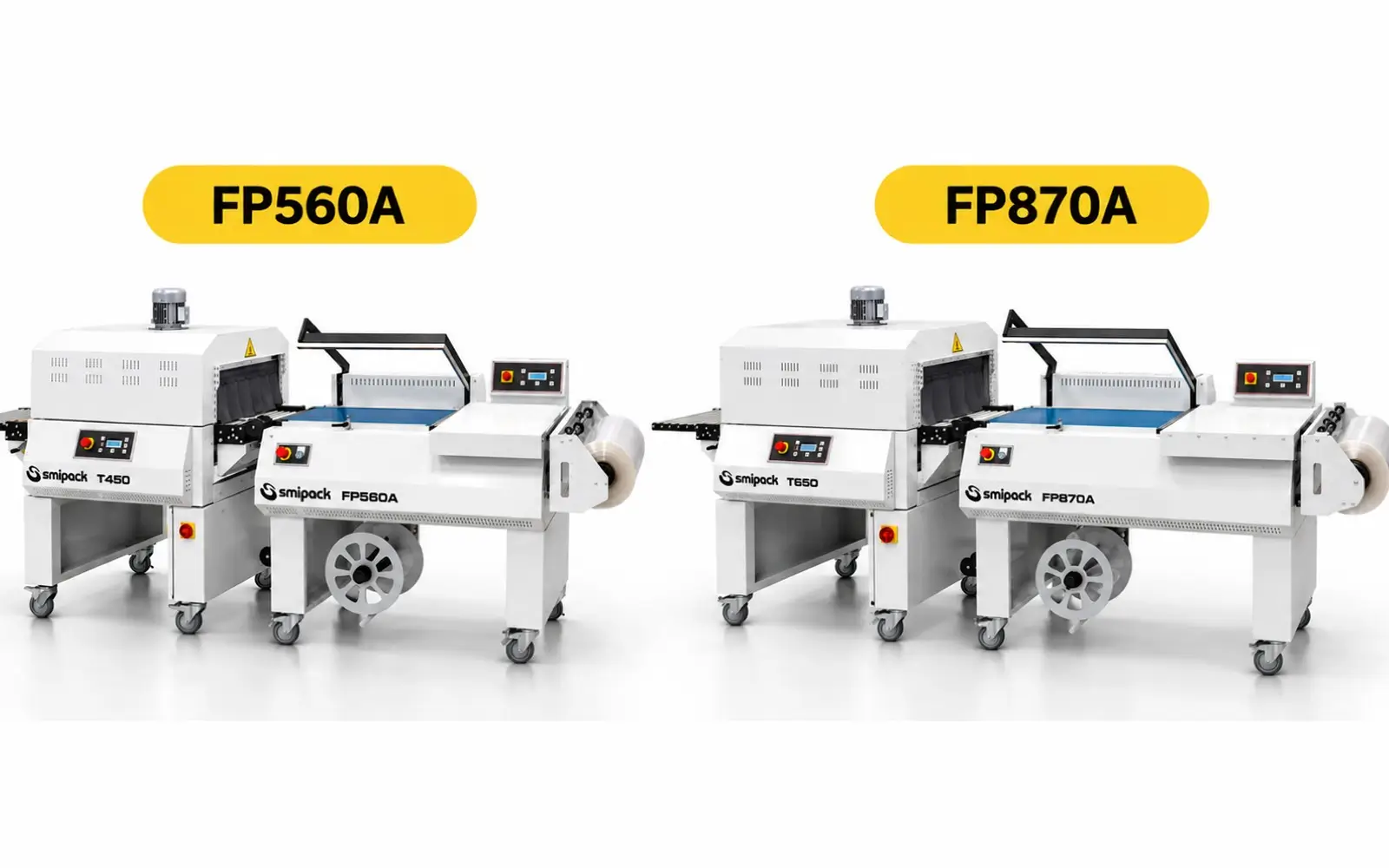
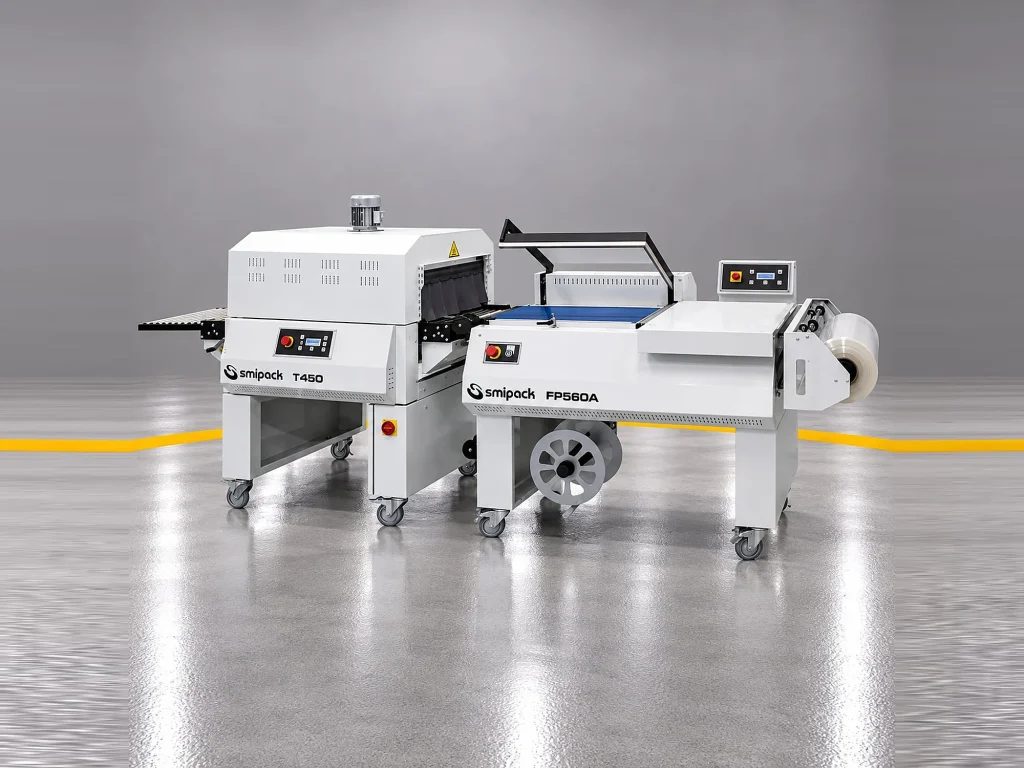
Smipack FP560A L-Bar Sealer
 In stock
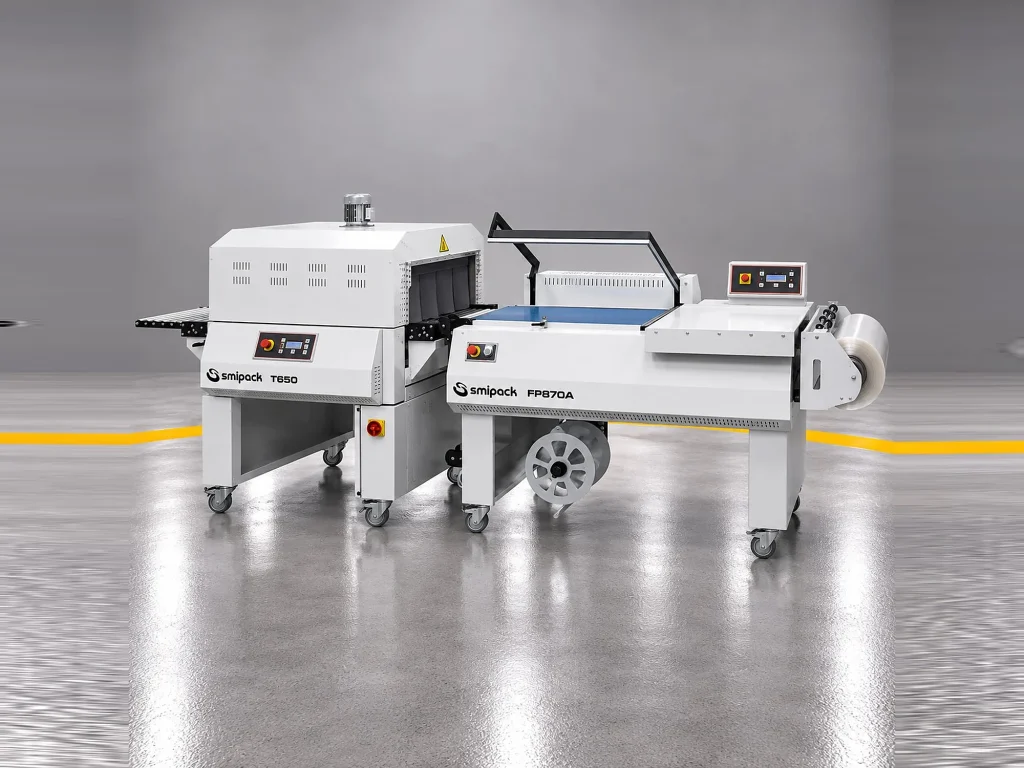
Smipack FP870A L-Bar Sealer
Explore Other Shrink Wrapping Types
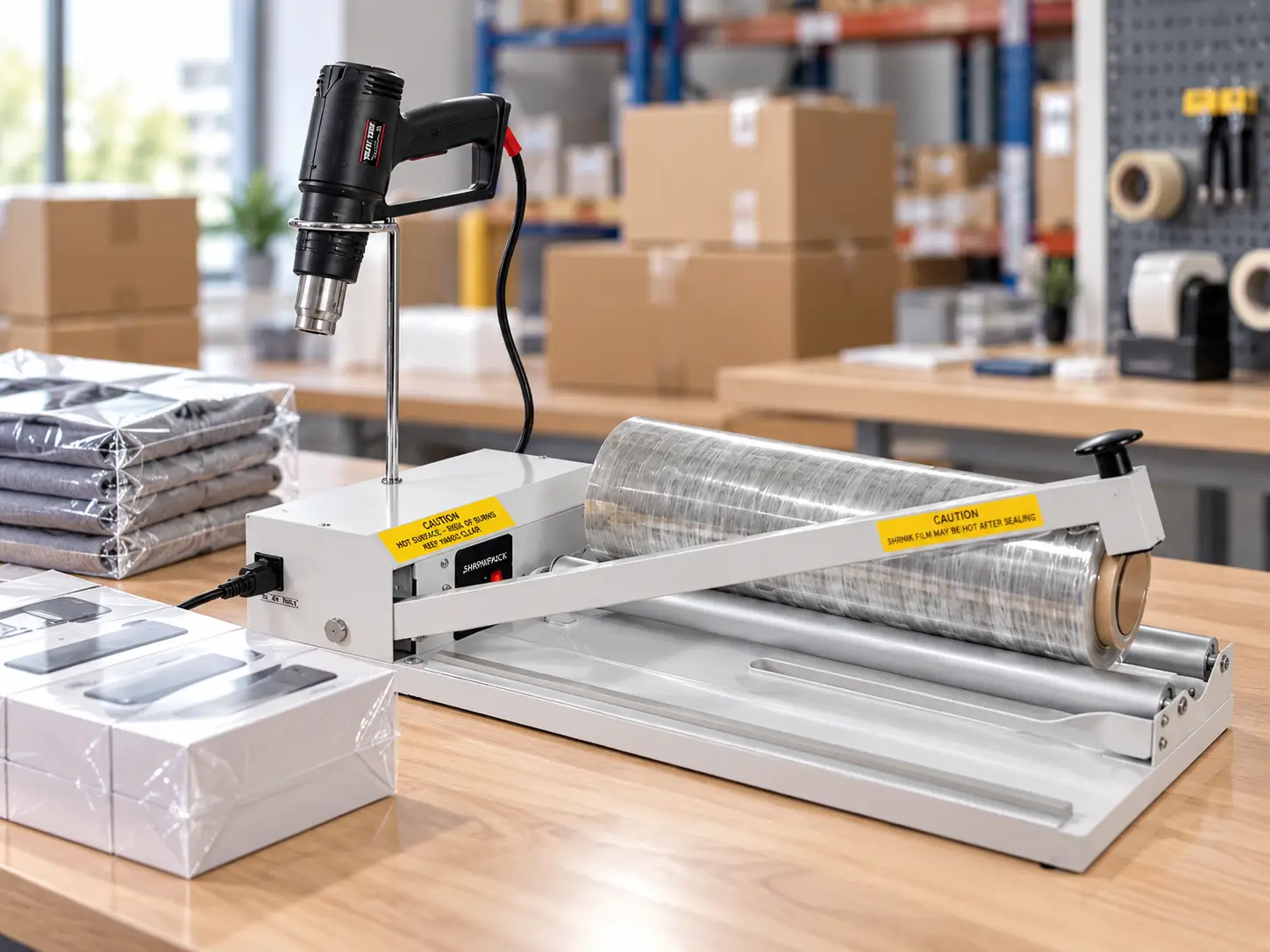
Not sure an L-bar sealer is the right fit? Compare the other types.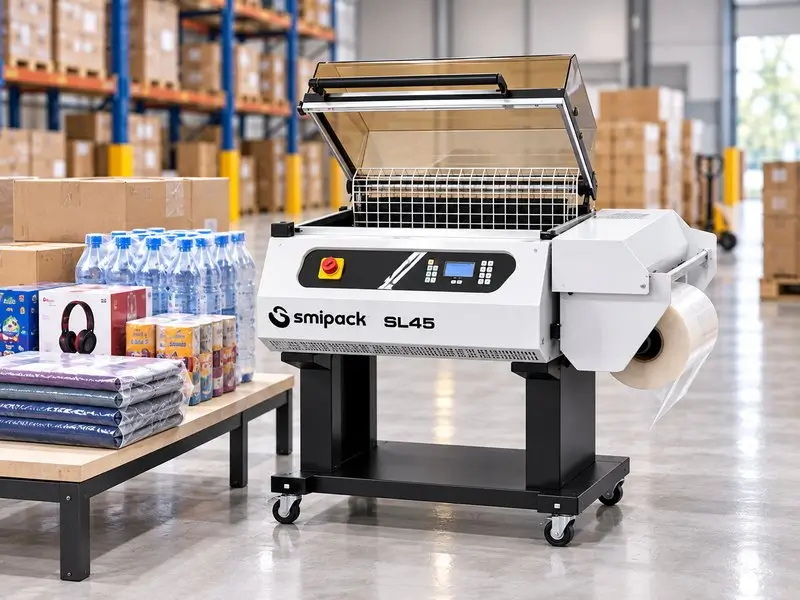
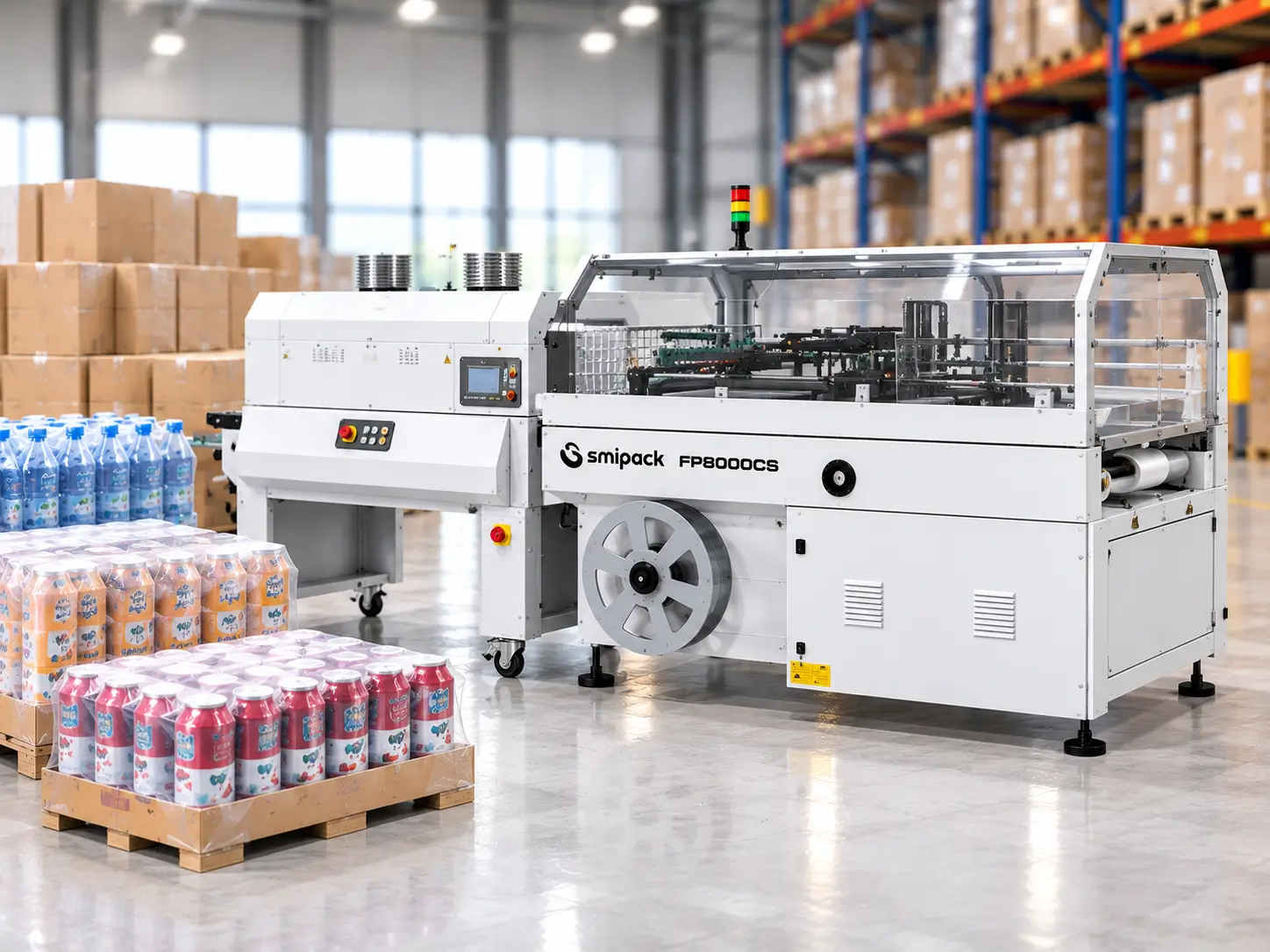
About AWC L-Bar Sealers
An L-bar sealer cuts and seals shrink film around a product in a single L-shaped motion — the film is folded over the pack, the sealing bar closes down in an “L” to cut and seal both open edges at once, and the sealed pack then passes through a shrink tunnel where heat pulls the film tight against the product. It’s a fast, repeatable way to bundle a product that’s a fairly consistent size and shape, run after run.
They suit single items, small multi-packs, and retail cartons running at moderate-to-high volume — think printed stock, stationery, household products, cosmetics, and cased goods. Because the seal is a tight, tailored fit rather than a loose hood, L-bar sealers give a cleaner, more retail-ready presentation than a hood shrink wrapper, but they need a more uniform pack size to run efficiently.
Seal bar size sets the largest single pack the machine can seal in one pass. Our range spans a 560 x 430mm seal bar on the FP560A up to a larger 870 x 620mm seal bar on the FP870A — measure your largest pack footprint, not your average, before choosing a model.
Maximum pack height is the other hard constraint, since the product has to sit under the sealing arm and clear the film fold. It runs from 230mm on the FP560A up to 300mm on the FP870A.
On output, the two models actually run in the opposite order you might expect: the smaller-format FP560A is rated up to 25 packs/min, while the larger-format FP870A, built for a bigger pack size, runs up to 15 packs/min. That’s a common trade-off with L-bar sealers — the larger the seal bar and the taller the pack, the more time each cycle takes, so don’t assume the bigger machine is automatically the faster one.
On power, both the FP560A and FP870A run on a standard 240V single-phase supply, so neither model needs special three-phase wiring — a straightforward point in favour of this range if your site’s power supply is limited.
If your loads are taller, heavier, or more irregular than a single-item or small multi-pack, it’s worth comparing the other shrink wrapping types before deciding — hood shrink wrappers, fully automatic shrink wrappers, and compact shrink wrappers each solve a different version of this problem.
Every machine on this page is backed by our in-house technical team for installation, servicing, and spare parts — so you’re not left waiting on an overseas manufacturer if something needs attention.
Why Buy Your L-Bar Sealer From AWC
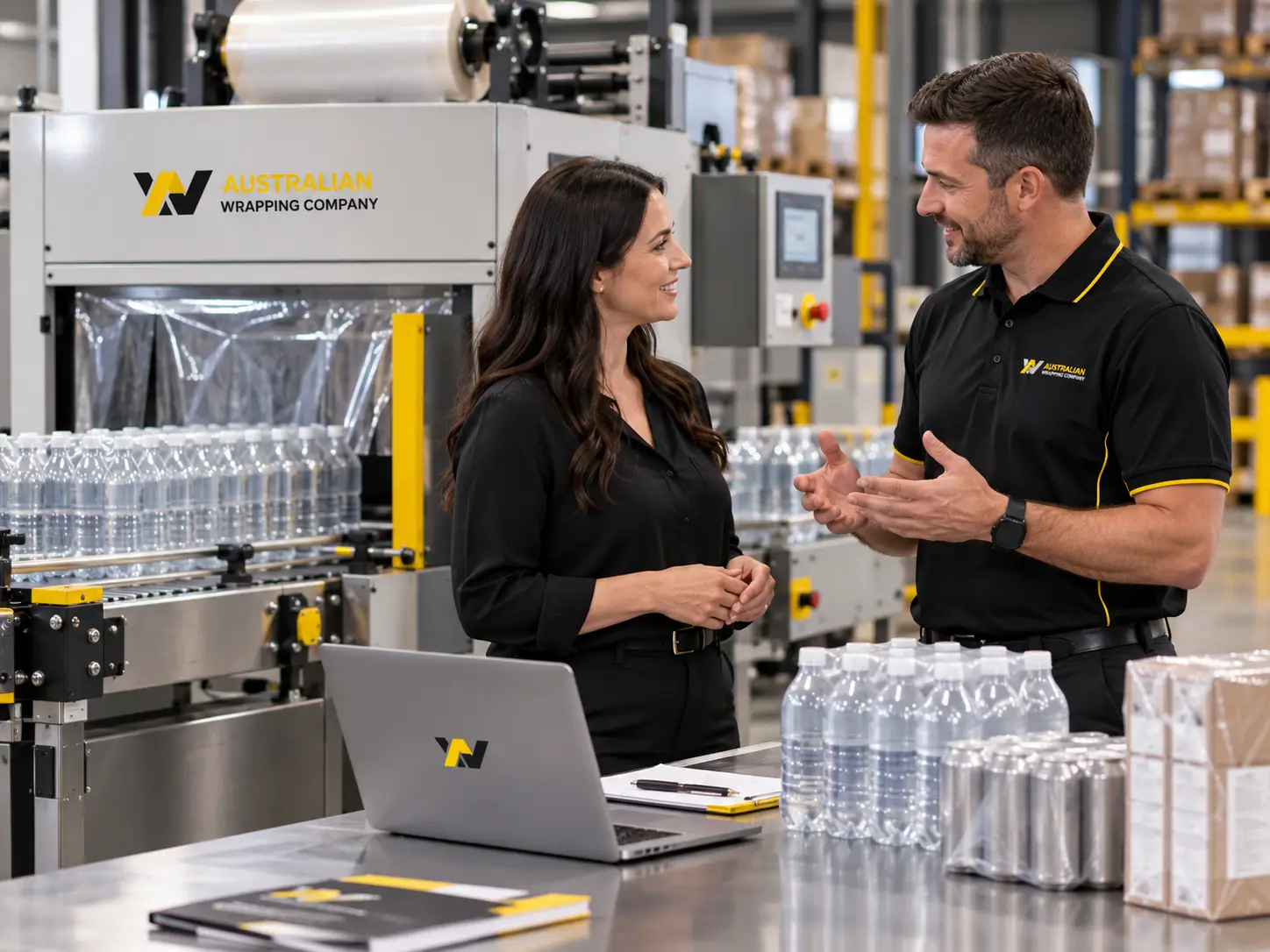 Live Demonstrations

L-Bar Sealer FAQs
The product is placed on the infeed, and the machine’s sealing arm closes down in an L-shaped motion to cut and seal the shrink film around it in one stroke. The sealed pack then travels through a shrink tunnel, where heat pulls the film tight against the product. It’s a two-stage process — seal, then shrink — but it runs as one continuous operation on the line.
An L-bar sealer cuts and seals film around a product in one L-shaped motion and passes it through a shrink tunnel, which suits single items or small multi-packs of fairly uniform size running at moderate-to-high volume. A hood shrink wrapper drops a loose film bag over the whole load and shrinks it to fit, which handles taller, mixed, or irregular stacks — including full palletised loads — that wouldn’t sit cleanly through an L-bar seal.
That comes down to two specs: seal bar size, which sets the largest pack footprint the machine can seal in one pass, and maximum pack height, which is how tall the product can be before it won’t clear the sealing arm. Our range runs from a 560 x 430mm seal bar / 230mm pack height on the FP560A up to a larger 870 x 620mm seal bar / 300mm pack height on the FP870A.
The FP560A suits smaller packs and is rated up to 25 packs/min, while the FP870A handles a larger pack size (up to 870 x 620mm, 300mm tall) but runs up to 15 packs/min. Choose based on your pack footprint first — if the FP560A’s 560 x 430mm seal bar comfortably fits your product, it will also give you the higher output of the two.
The FP560A and FP870A are sealers — they cut and seal the film around the pack. Both models in this range can be supplied with or without a shrink tunnel attached, so the sealed pack can pass straight through to shrink the film tight against the product as part of the same line. Talk to our team about the tunnel configuration that suits your setup.
Both the FP560A and FP870A are rated for PVC, polyolefin, and polyethylene shrink film up to 50 microns. We stock a full range of shrink film sized and specced to match your machine, so you’re not sourcing film from a separate supplier.
Both the FP560A and FP870A run on a standard 240V single-phase supply, so most Australian warehouses can run either model without special three-phase wiring.
Yes — both models on this page are available to rent short-term, so you can trial one on your floor before committing to a purchase. It’s also a practical option for seasonal volume spikes.
Yes, finance and leasing options are available on both machines on this page. Speak to our team during your consult and we’ll walk you through what’s available for your business.
Yes — we stock a full range of shrink film sized and specced to match your machine, so you’re not sourcing film from a separate supplier.
The Ultimate Buying Guide
Costs, ROI, comparisons, and common mistakes to avoid before you buy — one comprehensive guide.
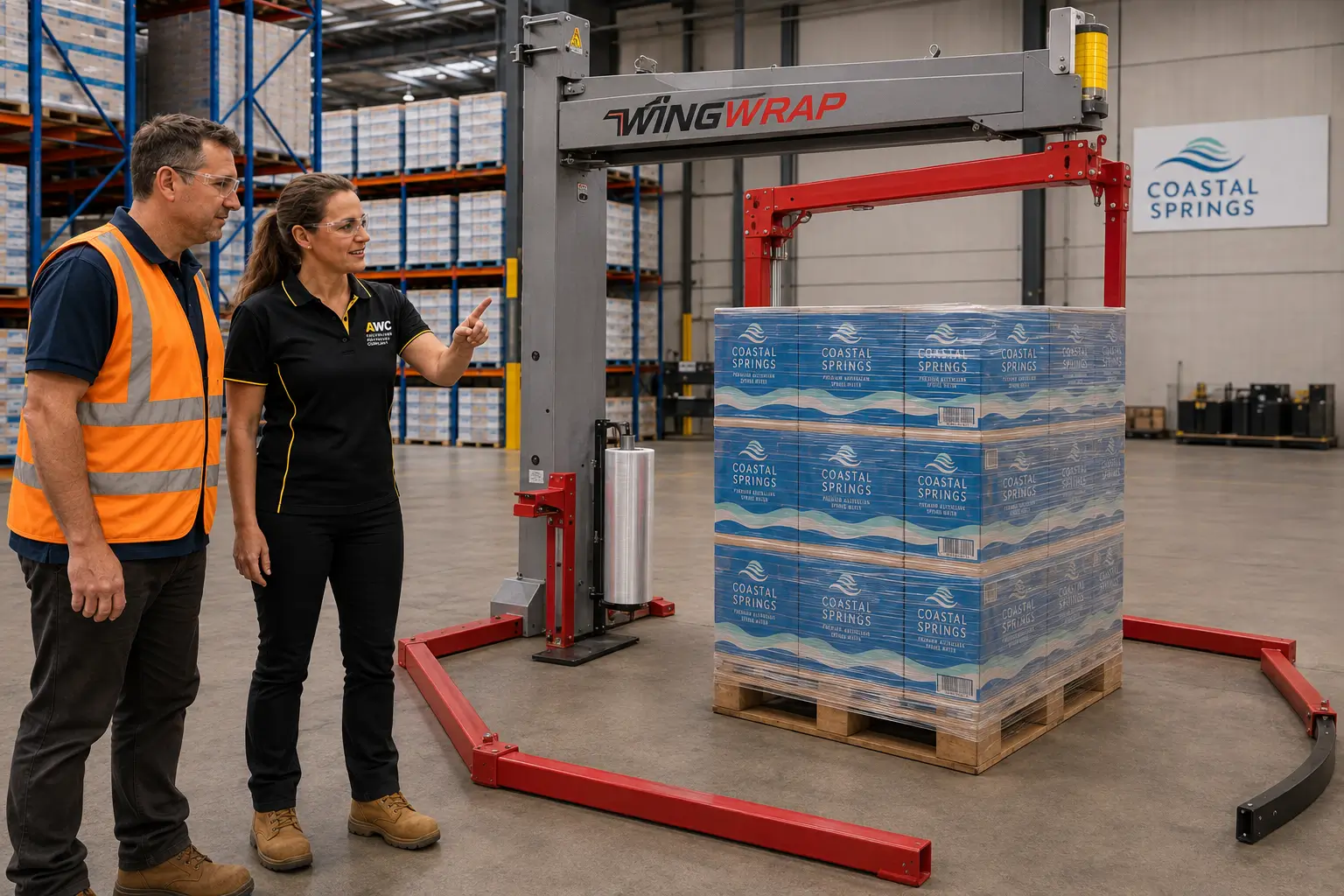
How Coastal Springs cut film waste 30% on their pallet line
A short summary of the challenge, the AWC solution, and the measurable result — enough to make the case study worth clicking into.
Read The Case Study →