 Pallet Wrapper Machine Finder

Semi-Automatic Pallet Wrappers
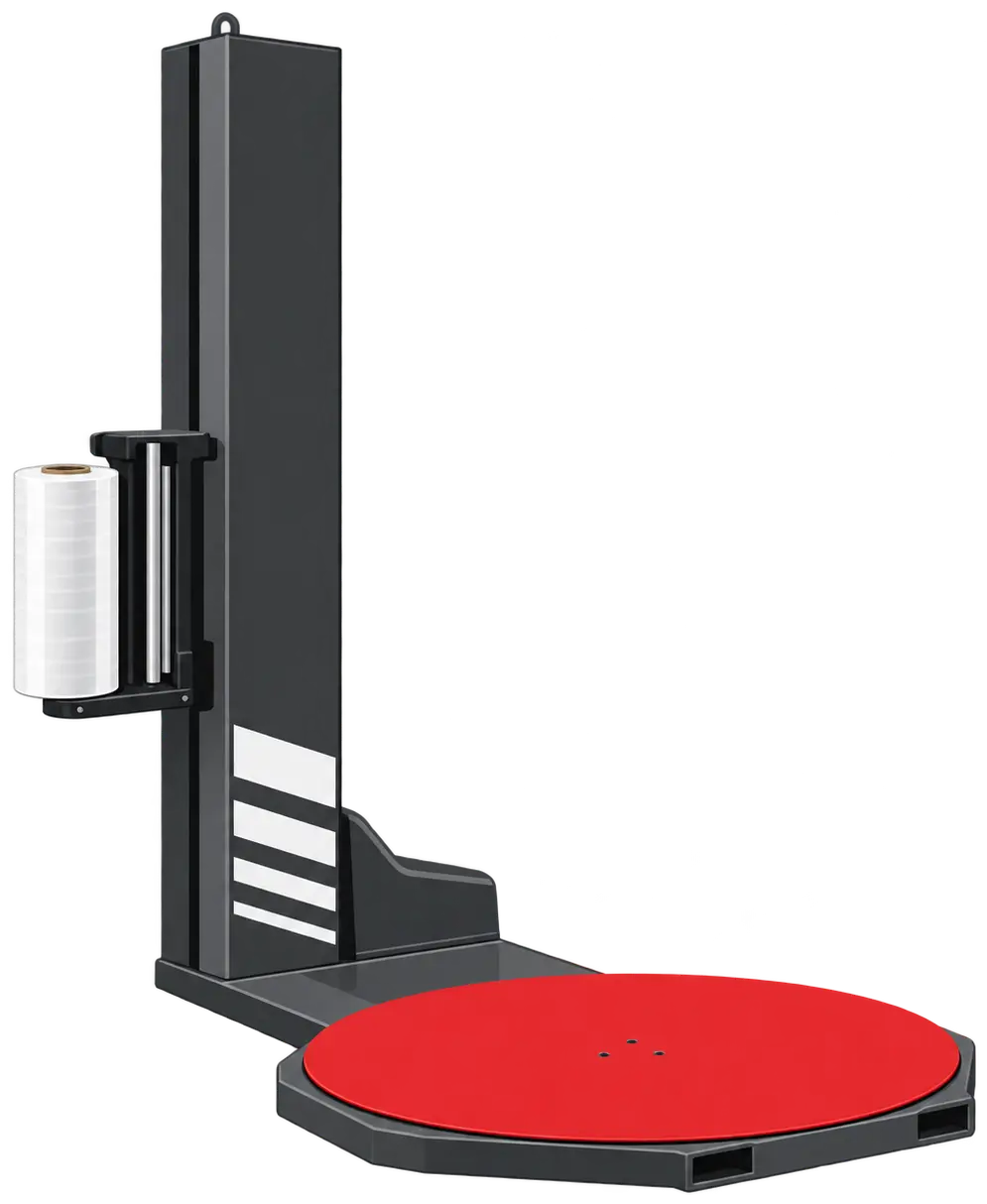
The operator loads the pallet and starts the cycle; the machine handles the wrap. It’s the lowest-cost way to get consistent, safe pallet wrapping without committing to a fully automated line — the standard starting point for most Australian warehouses.
Find Your Perfect Pallet Wrapper
Answer a few quick questions about your pallets and throughput — get a machine recommendation in under 2 minutes.
 In stock
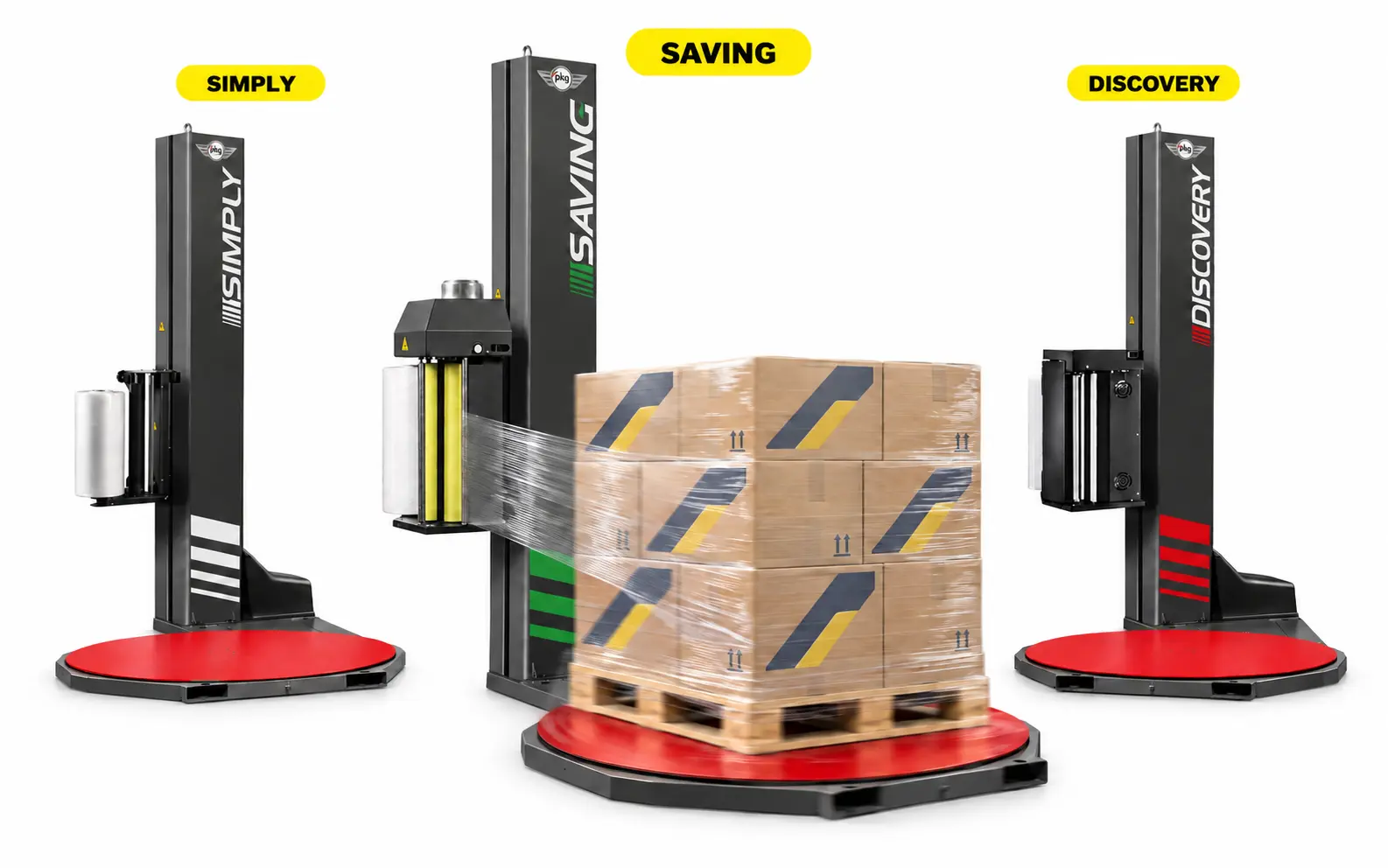
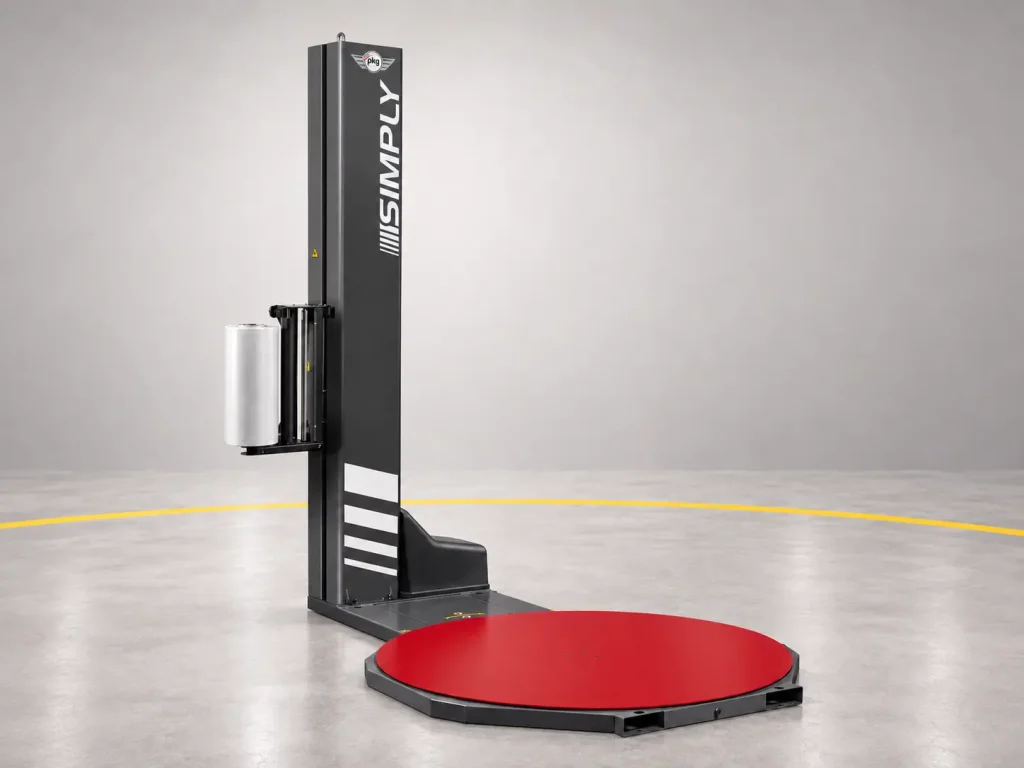
SIMPLY Pallet Wrapper
 In stock
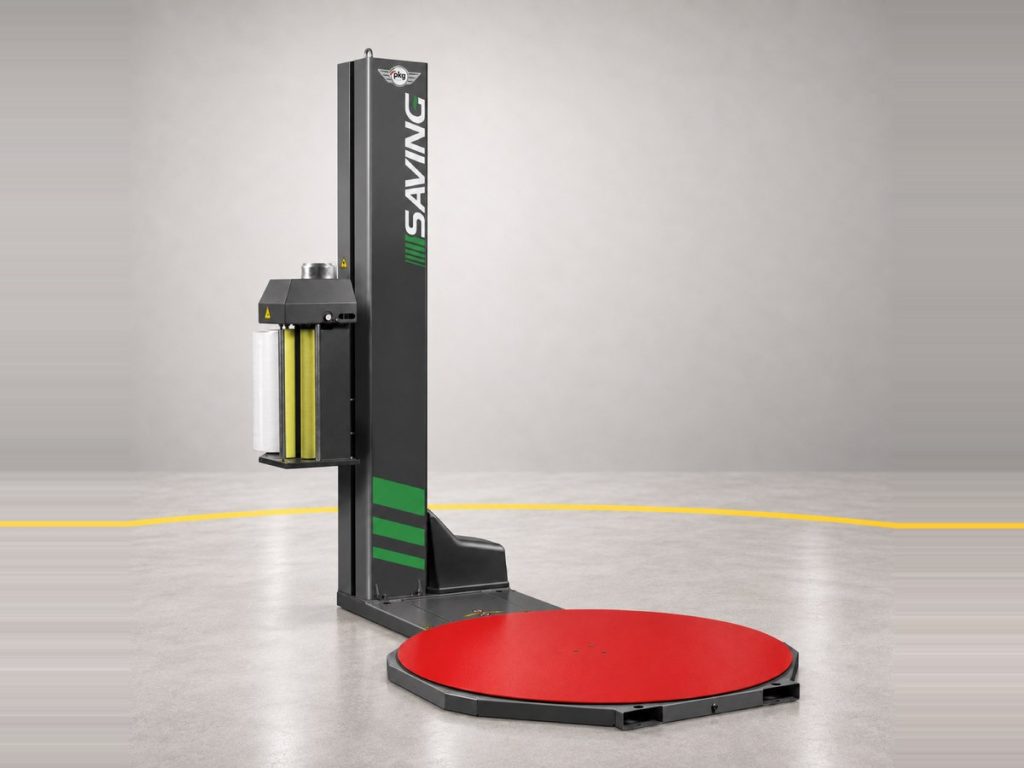
SAVING Pallet Wrapper
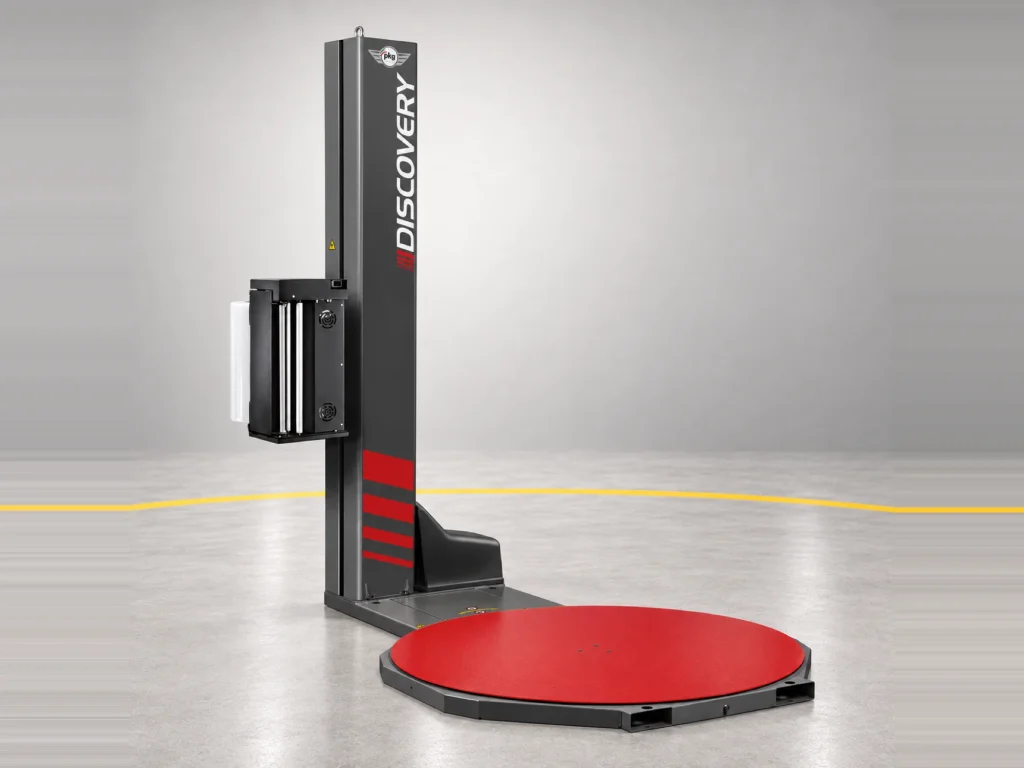 In stock
Discovery Pallet Wrapper
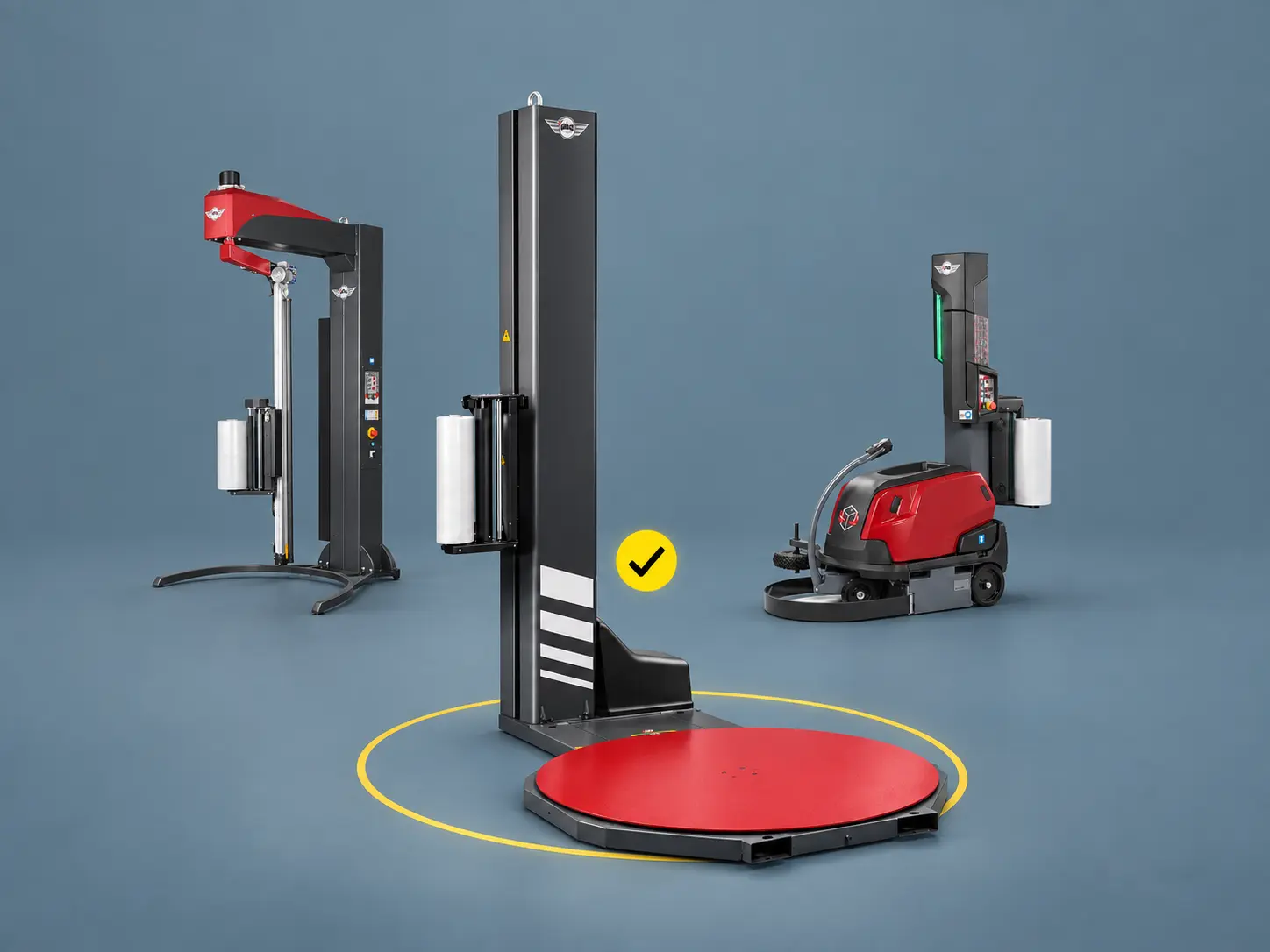
Explore Other Pallet Wrapper Types
Not sure Semi-Automatic is the right fit? Compare the other types.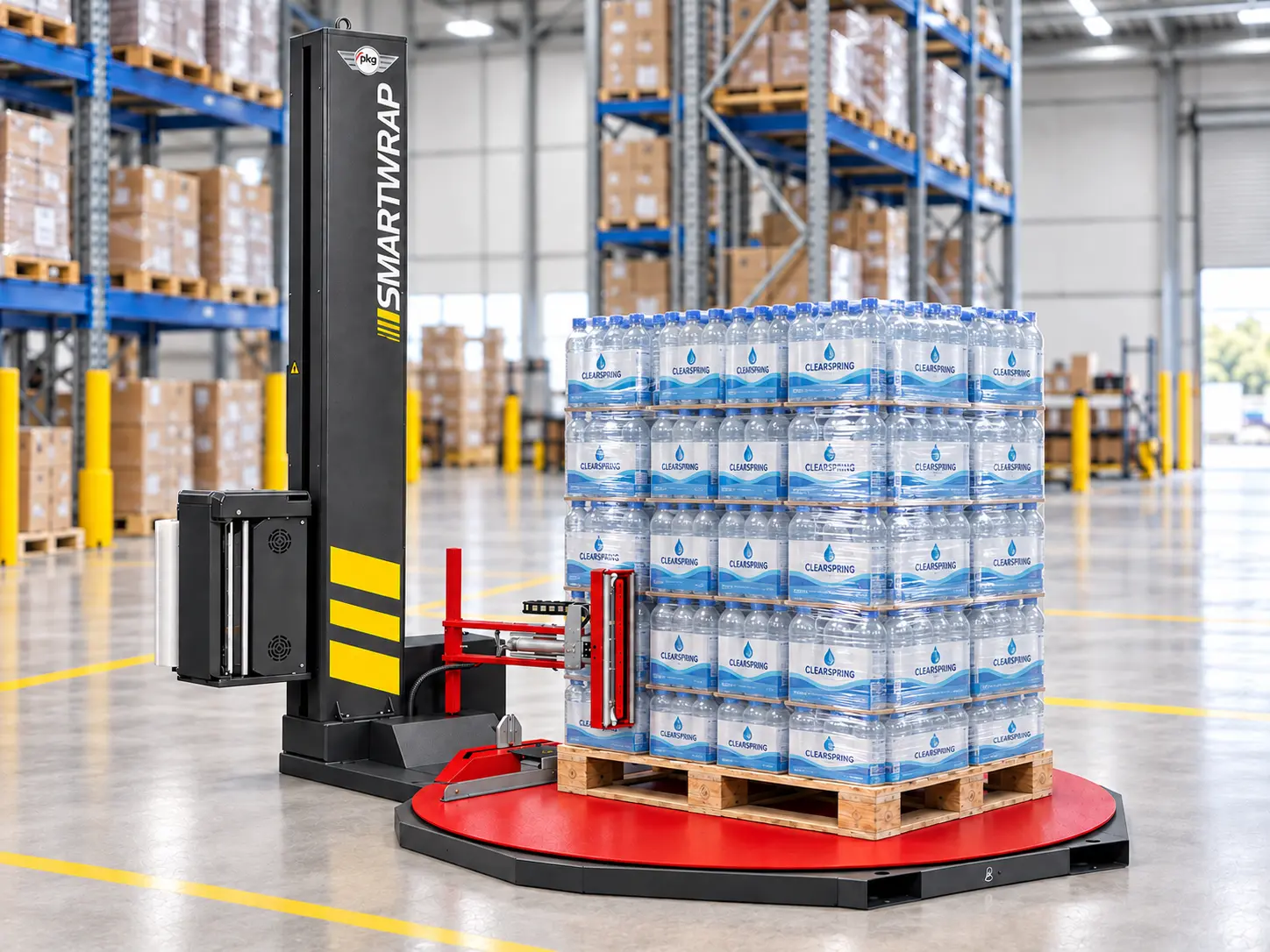
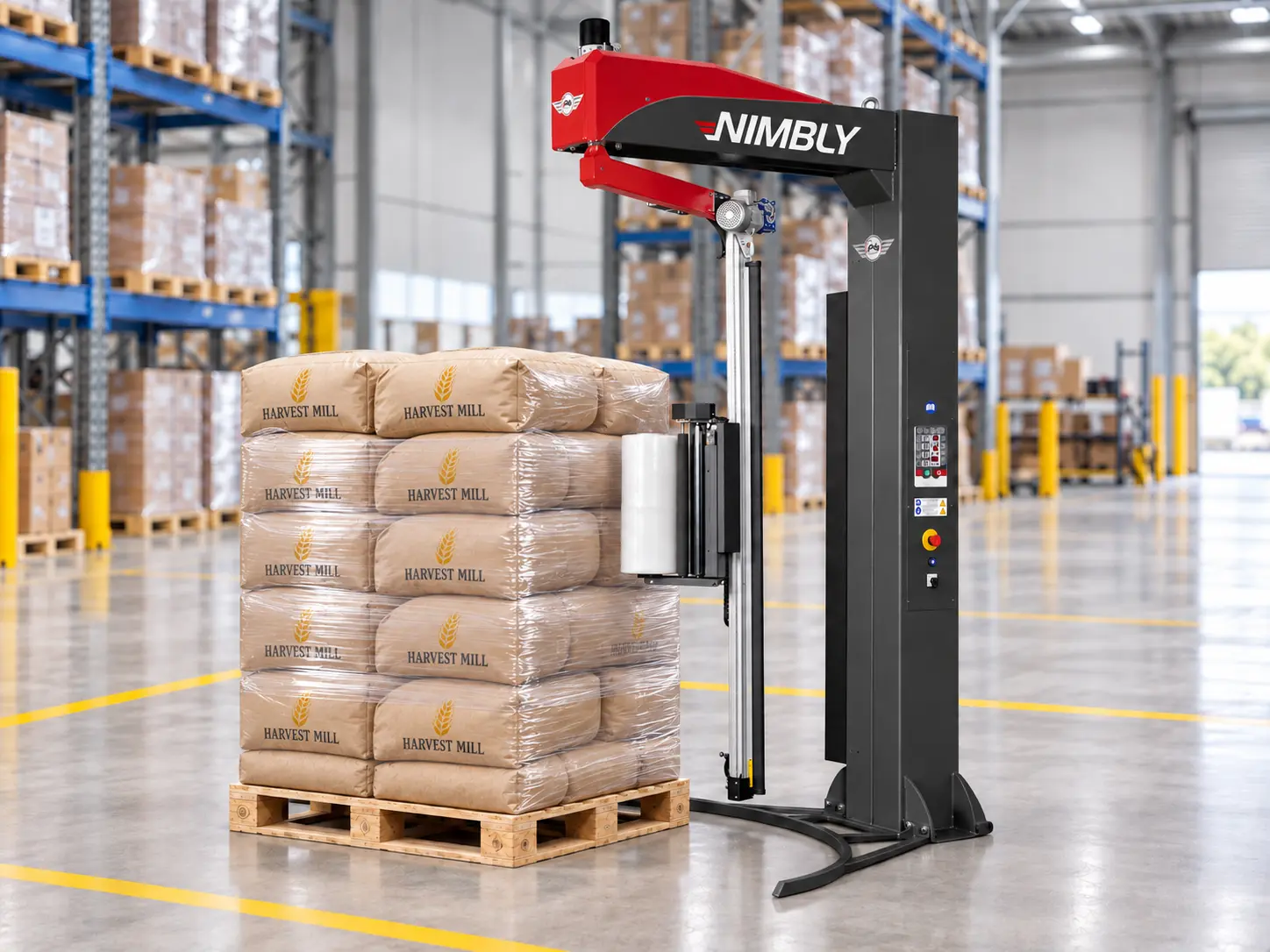
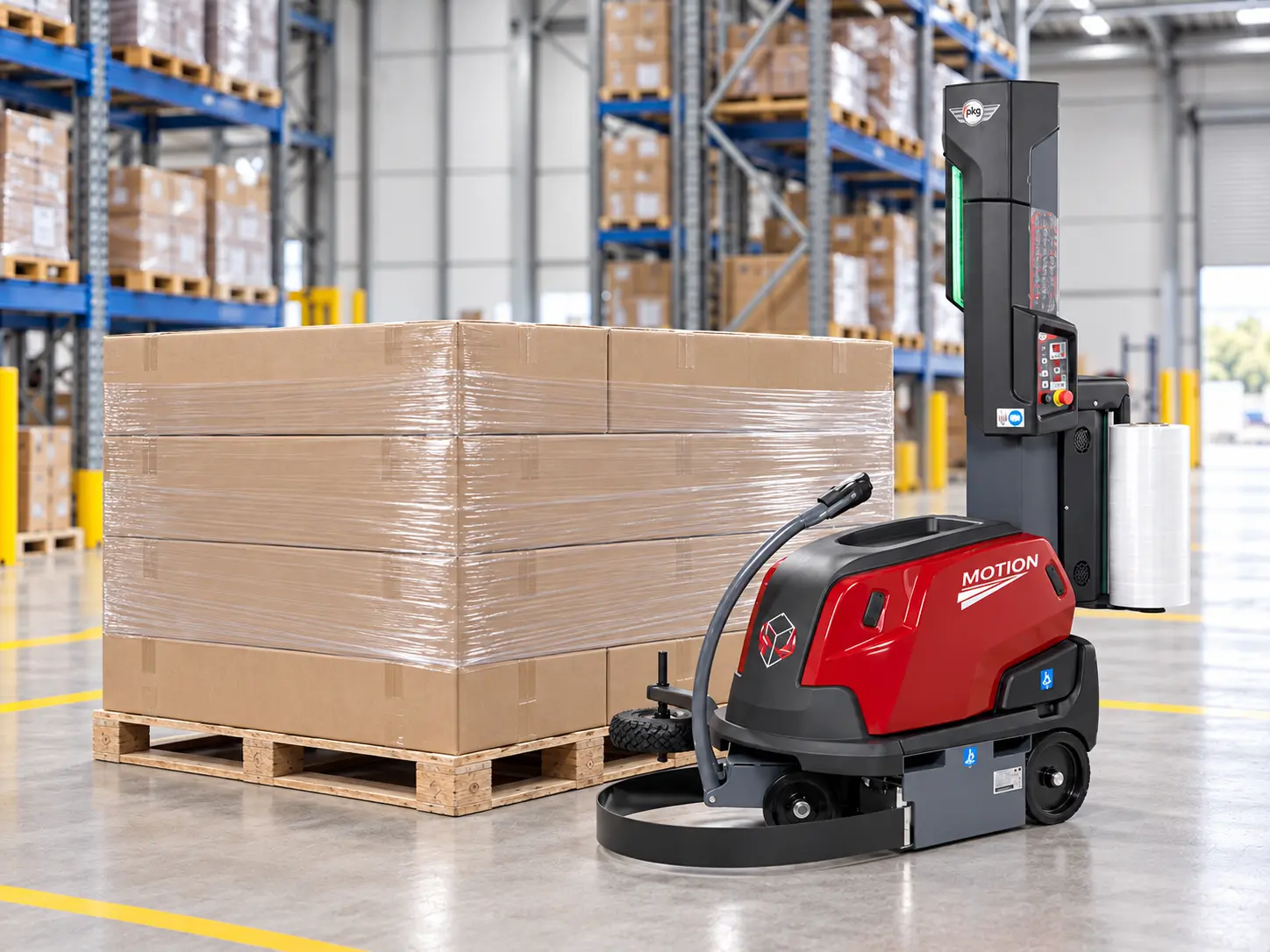
About Semi-Automatic Pallet Wrappers
Semi-automatic pallet wrappers are the standard starting point for most Australian warehouses. The operator positions the pallet on the turntable, starts the cycle, and the machine turns the load while applying tensioned stretch film automatically — consistent, safe wrapping without the cost or footprint of a fully automated line.
They suit low-to-mid volume dispatch where an operator is already present to load and start each cycle, and where floor space or budget doesn’t justify conveyor integration. Most models in this range offer adjustable film tension, pre-stretch, and wrap-cycle settings, so the same machine can handle a range of pallet sizes and load types.
Turntable diameter is the spec most often overlooked when buying one of these machines. It needs to comfortably clear your widest pallet footprint while the load is spinning — an undersized platform causes overhang, which leads to inconsistent film coverage and, in the worst case, a load that shifts mid-wrap. Our range spans 1650mm to 2000mm; the right size depends on your standard pallet dimensions, not just the load’s weight.
Loading method is the other practical decision. A model with a loading ramp lets an operator wheel a pallet jack straight onto the turntable — faster and safer than lifting the pallet on with a forklift every cycle. If your team already loads by forklift onto a raised deck, a ground-level, no-ramp model works just as well and is typically the more compact footprint of the two.
Within Semi-Automatic there’s also a real difference between manual-start models — a single fixed wrap pattern triggered by one button — and models with a programmable cycle, which let you save different tension, rotation, and top/bottom wrap settings for different pallet or product types. If your floor only ever wraps one kind of load, manual-start keeps things simple; if you’re switching between product lines through the day, a programmable cycle saves an operator from adjusting settings by hand each time.
On cost, semi-automatic sits well below fully automatic in both purchase price and installation complexity — there’s no conveyor integration, and most models are running on standard 240V power rather than requiring a 415V supply. That makes it the lower-risk way to get consistent, safe pallet wrapping before committing to a fully automated line, and for most Australian warehouses wrapping a few dozen pallets a day or fewer, it’s also the more cost-effective choice on an ongoing basis.
If your volumes are higher, your line runs unattended, or your pallets are too unstable or oversized to spin on a turntable at all, it’s worth comparing the other pallet wrapper types before deciding — fully automatic, rotary arm, and mobile models each solve a different version of this problem.
Every machine on this page is backed by our in-house technical team for installation, servicing, and spare parts — so you’re not left waiting on an overseas manufacturer if something needs attention.
Two Fast Ways To Find The Right Pallet Wrapper
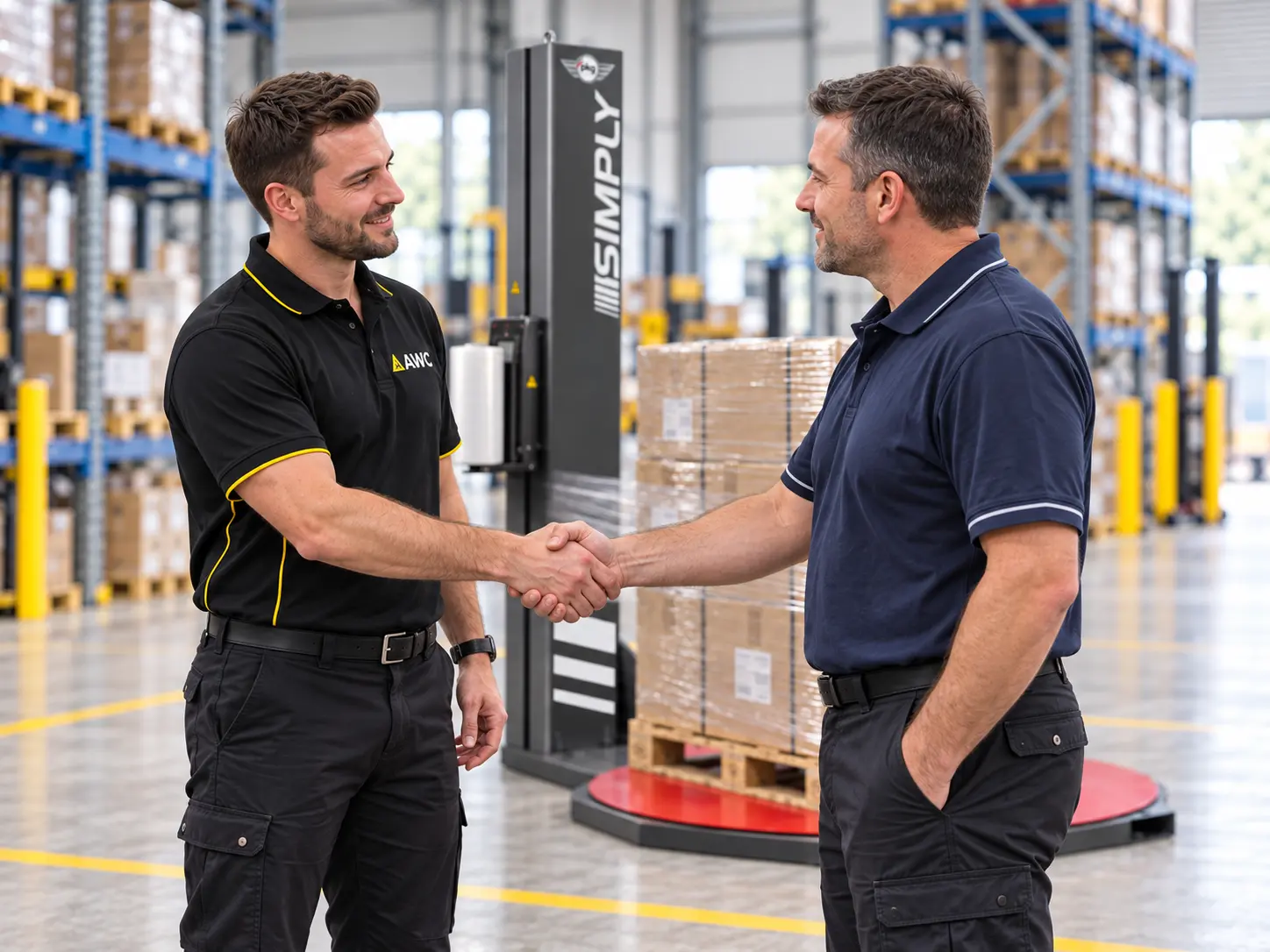 Live Demonstrations

Semi-Automatic Pallet Wrapper FAQs
You load the pallet onto the turntable, set the film tension and wrap pattern, and press start. The machine turns the pallet and applies tensioned stretch film automatically, then stops at the end of the cycle — the operator only handles loading, starting, and removing the finished pallet.
Semi-automatic suits low-to-mid volume dispatch where an operator is already on the floor to load and start each cycle — typically up to a few dozen pallets a day. If you’re running continuous, unattended production integrated into a conveyor line, fully automatic will pay for itself faster in labour and consistency.
Match the machine to your heaviest typical pallet, not your average — our three Semi-Automatic models cover 1,500kg to 2,000kg. Use the Pallet Wrapper Finder above or book a consult and we’ll size it against your actual heaviest SKUs.
Turntable diameter needs to comfortably clear your widest pallet footprint with the load spinning — undersized platforms cause overhang and unstable wraps. Our Semi-Automatic range runs 1650mm to 2000mm; we’ll confirm the right size against your standard pallet dimensions during a consult.
A ramp lets you wheel a pallet jack straight onto the turntable, which is faster and safer than lifting the pallet on with a forklift every cycle. If you’re loading exclusively by forklift or pallet truck onto a raised deck, a ground-level (no-ramp) model works fine — it comes down to how your team physically gets pallets onto the machine.
Manual-start models run a single fixed wrap pattern you start with a button. Models with a programmable cycle let you save different tension, rotation, and top/bottom wrap settings for different pallet types, so an operator switching between load types doesn’t have to adjust settings by hand each time.
Yes — every model on this page is available to rent short-term, so you can trial it on your floor before committing to a purchase. It’s also a practical option for seasonal volume spikes.
Yes, finance and leasing options are available on every machine on this page. Speak to our team during your consult and we’ll walk you through what’s available for your business.
Semi-automatic and mobile models are generally the fastest of our four types to get on your floor, since there’s no conveyor integration involved — we’ll confirm an exact timeframe once we understand your site access and power setup.
Yes — we stock a full range of stretch film sized and specced to match your machine, so you’re not sourcing film from a separate supplier.
The Ultimate Buying Guide
Costs, ROI, comparisons, and common mistakes to avoid before you buy — one comprehensive guide.
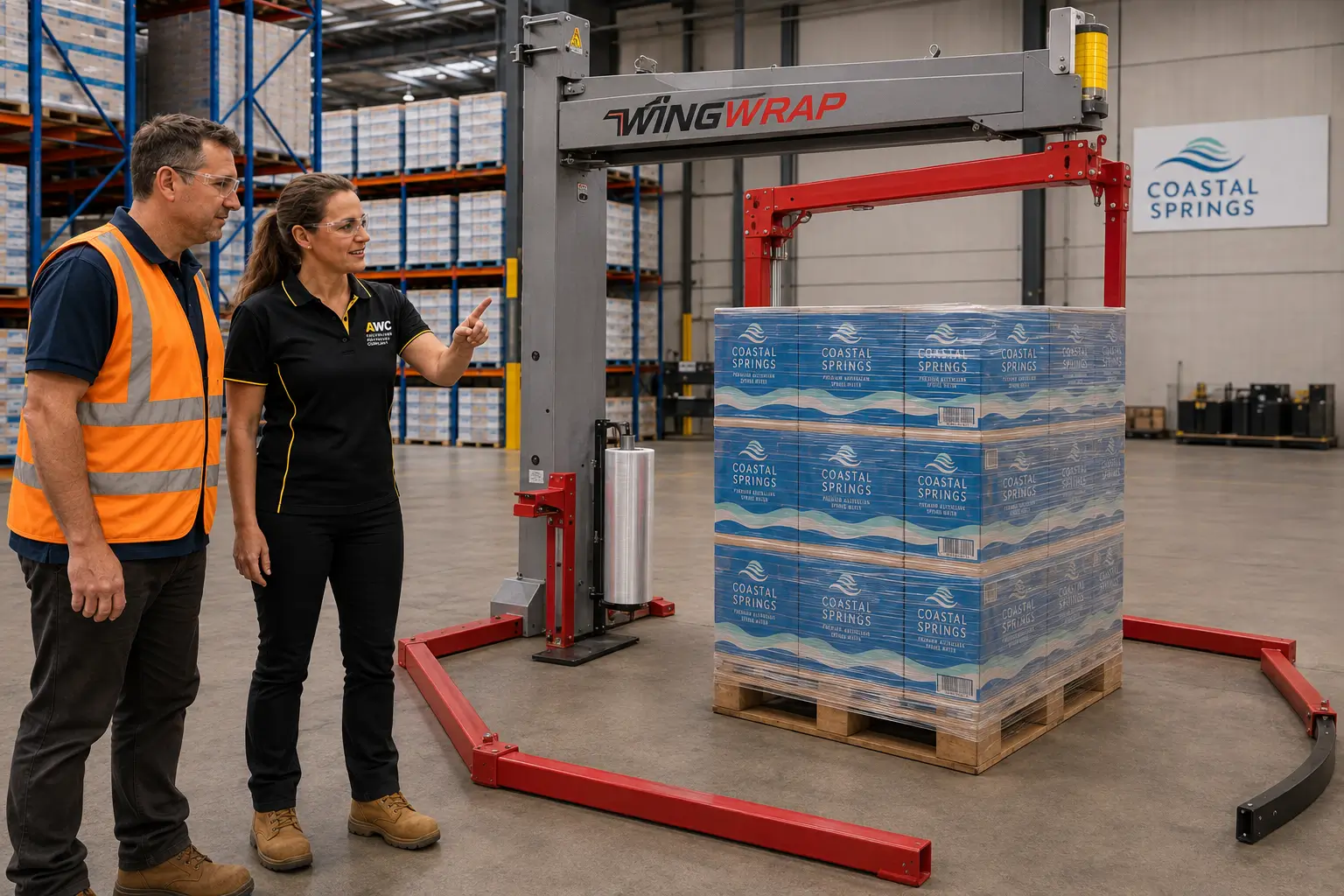

How Coastal Springs cut film waste 30% on their pallet line
A short summary of the challenge, the AWC solution, and the measurable result — enough to make the case study worth clicking into.
Read The Case Study →